

By Kenny Weiss, relationship, communication and childhood trauma recovery specialist, ICF-certified coach and author of Your Journey To Success and Your Journey To Being Yourself. Published November 11, 2026.
It’s a weeknight. You’re sitting at the table, and he seems distracted, distant, quiet. Something inside you tightens, so you lean in: “Hey, are you okay? Did I do something?”
“I’m fine,” he says. But his tone doesn’t match, and his energy doesn’t match.
“You’re not fine. I can feel it. Why won’t you talk to me?”
Inside, his body floods. Please stop. This is too much. So he retreats. Now you feel abandoned, so you chase harder. He feels attacked, so he shuts down even more. You end up crying or yelling, he ends up silent or frozen, and hours later the two of you are in separate rooms wondering how it got here again.
I’m Kenny Weiss, a relationship, communication and childhood trauma recovery specialist, and in my work, the same fight every week is almost never about the topic, because it’s two Worst Day Cycles™ colliding. The pursue-and-withdraw cycle is a pattern in which one partner chases connection to avoid abandonment and the other shuts down to avoid overwhelm, and each partner’s reaction sets off the other’s. Both reactions were learned in childhood, long before the two of you met. That is why new communication techniques haven’t stuck: the fight isn’t running on today. It’s running on two childhoods.
That’s you if you’ve ever said, “It’s not about the dishes,” and then fought about the dishes for three hours anyway.
Why do we keep having the same fight every week?
You keep having the same fight every week because the topic is a costume. The dishes, the text that didn’t get answered, the five minutes late, the tone of voice: those are what the fight is wearing. What the fight is actually made of is what that moment means to your nervous system.
I know you think it might be the dishes or the text message or the tone of voice, or that he always runs late or never helps. And you’re right, those things happen. I’m not saying they don’t. But none of those things are big enough on their own to create the level of pain you feel in your body when these fights start. Five minutes late doesn’t produce a three-hour fight. A childhood does.
Here is the piece almost nobody has been told to look at: the same fight has a rhythm. Look at your pattern honestly. Is it once a week? Every three weeks? Once a month? Now look at your childhood. In my work, the adult fight interval almost always matches the childhood pain interval: the parent who was okay for a stretch and then gone again, the house that was calm all week and exploded every weekend. Your body learned the timing before it learned the words. So every week, right on schedule, it starts bracing for the thing that used to happen, and it finds something to fight about.
That’s you if you can almost feel the fight coming before anything has even happened, like weather rolling in.
That is why it feels like the same fight every week no matter what you’re fighting about. The content changes. The emotional movie never does. You feel unheard; he feels criticized. You feel unseen; he feels attacked. You feel abandoned; he feels overwhelmed. You can pick a different partner, pick a different house, be in a different chapter of your life, and it is always going to be the same emotional movie until the blueprint underneath it changes.
That’s you if you’ve had this exact fight with more than one partner and thought, “How did I end up here again with a completely different person?”
What is the pursue-and-withdraw cycle?
The pursue-and-withdraw cycle is the pattern where one partner moves toward the other when scared and the other moves away when scared. Same fear underneath, opposite survival strategy. You may have heard it called the pursuer-withdrawer cycle, the pursuer-distancer cycle, anxious and avoidant, or love addict and love avoidant. Whatever you want to call it, they’re all the same thing: one partner chases and the other shuts down, and each one’s move confirms the other one’s deepest fear.
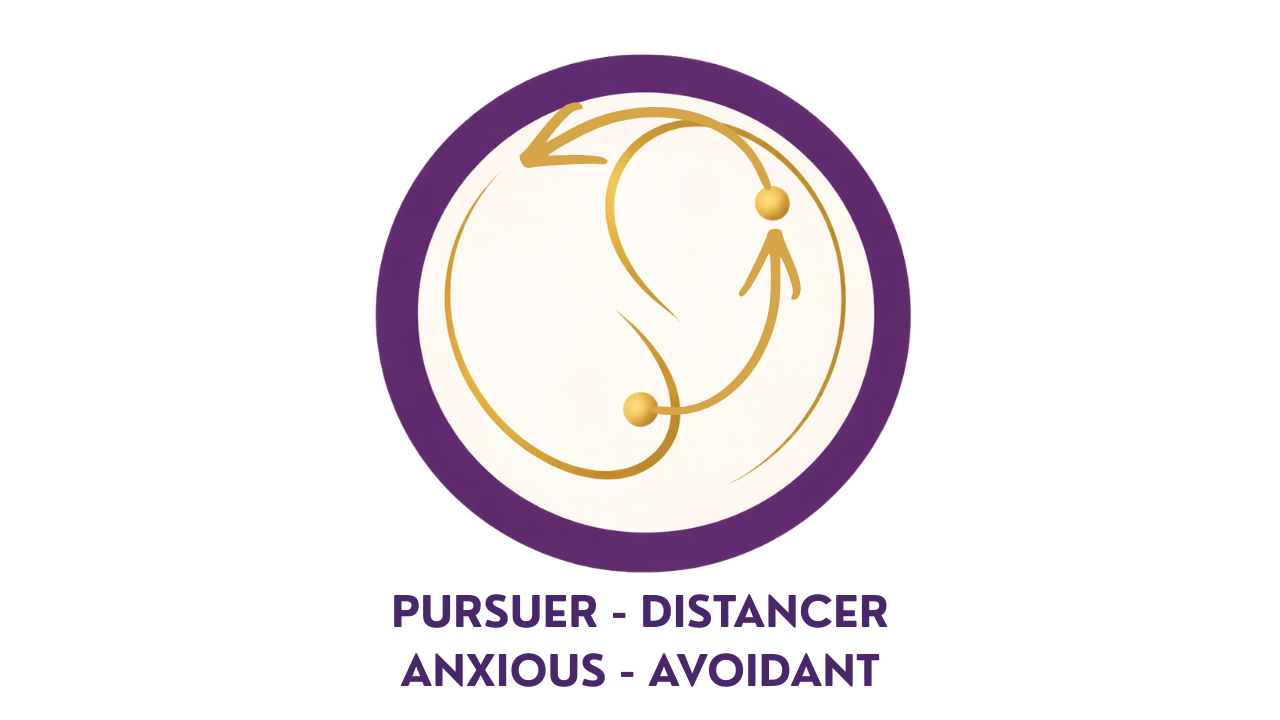
Here is how the cycle actually runs, step by step:
- Something small happens. An eye roll. A tone. A lack of response. A forgotten task. Something inside one partner tightens: Something’s wrong. Don’t let this turn into abandonment. Fix it.
- One partner brings it up, but not calmly. Not because they’re being aggressive, but because they’re trying to prevent a pain they’ve felt their entire life.
- The other partner feels overwhelmed. Not by the words, but by the intensity. Their body hears danger, I’m about to be blamed.
- They withdraw. They go quiet, get logical, leave the room, or need space right now.
- The more they withdraw, the more the pursuer panics.
- The more the pursuer escalates, the more the withdrawer collapses, which sends you right back to step 5.
That last line is the key. This isn’t a list with an ending. It’s a loop. I describe it as two gears turning in opposite directions. The more one pursues, the more the other withdraws; the more one withdraws, the more the other panics; and the more one panics, the more the other shuts down. Each gear drives the other. And the gears start turning almost in lockstep with the same time interval as the less than nurturing moments of each of your childhoods, which is why the fight feels impossible to stop and why it keeps coming back on the same rhythm.
You’re two nervous systems trying to survive with opposite survival strategies. That isn’t incompatibility. It’s two childhoods colliding.
That’s you if you’ve ever wondered whether the two of you are simply wrong for each other, because nothing else explains how fast it falls apart.
Why does one partner chase and the other shut down?
One partner chases and the other shuts down because each of you learned a different rule for surviving emotional pain as a child. Your partner isn’t creating the wound in you, he’s revealing it, and you’re doing the same for him. Your emotional blueprint is the set of emotional definitions you learned as a child: when I see or hear this, that’s what it means. We’re not born with emotions; we learn them. So when the two of you fight, each of you is replaying the exact same unhealed moments you lived through long before you met.

The partner who chases
If you’re the pursuer, you grew up needing more emotional connection and attunement (focused emotional attention) than you ever got. Maybe you were neglected, unseen, unheard, or left alone. Often there was silence in the house: a parent who went quiet, withdrawn, or seething behind a closed door, and you learned that when nobody talks, something terrible is coming. So your nervous system learned really early: “If I don’t chase, I’ll be forgotten, and if I don’t fix this, I’ll lose them.”
So when the tension hits, you lean in. You ask, “Did I do something?” You text and call and explain and push for an answer. You’re not trying to attack him. You’re looking to feel safe. It’s one of the most painful forms of insecurity in relationships, because the harder you reach, the further away he seems. Every bit of that pursuit is a child reaching for the attention that was missing, hoping that this time, if you try hard enough, the person you love will turn toward you and say, I see you. I’m not going anywhere. If this is your side of the cycle, I go deeper into why you chase love when they pull away.
That’s you if silence from him feels louder than any yelling ever could.

The partner who shuts down
The partner who shuts down grew up with way too much emotional intensity. Maybe too much yelling, too much criticism, too many feelings in the room, or a parent who made him responsible for everyone’s emotions. Nobody knew what to do with all of those emotions, so his nervous system learned the only way to survive was: “If I withdraw, I won’t be overwhelmed, if I stay quiet long enough, I won’t be judged, and if I shut down, maybe the emotional storm will just pass.”
So when your husband says “I’m fine” and goes into another room, he isn’t doing it to punish you. Just like the pursuer, he’s trying to survive. What looks like indifference from the outside is the opposite on the inside. His mind goes blank, his chest tightens, his throat closes. He isn’t disengaged. He’s so over-engaged that his system collapsed. Then the words come back an hour later in the shower, because his words were never the problem. His nervous system was overwhelmed. I break this side down fully in why you shut down during conflict.
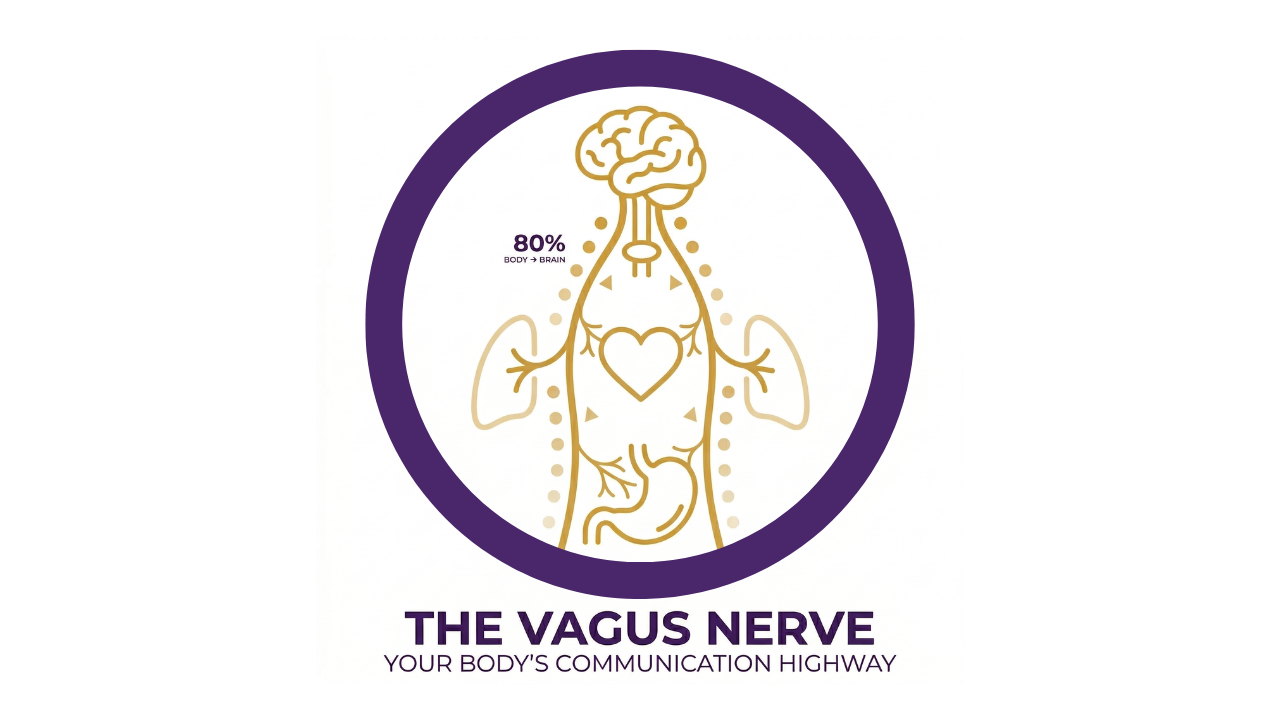
Research is consistent with this. In a 2024 study of 98 adults published in BMC Psychology, people with an avoidant attachment style could make an upsetting image feel less unpleasant, but when they held their emotions in, they still reported high arousal (Domic-Siede et al., 2024). So when your partner goes quiet and says “I’m fine,” he isn’t calm, and he isn’t indifferent. Holding it in doesn’t switch it off. His survival persona, the role he had to adopt as a child to fit into his family system, is hiding it from both of you.
That’s you if you’ve ever been accused of stonewalling while your heart was pounding so hard you couldn’t hear the question.

The three survival personas in the same fight
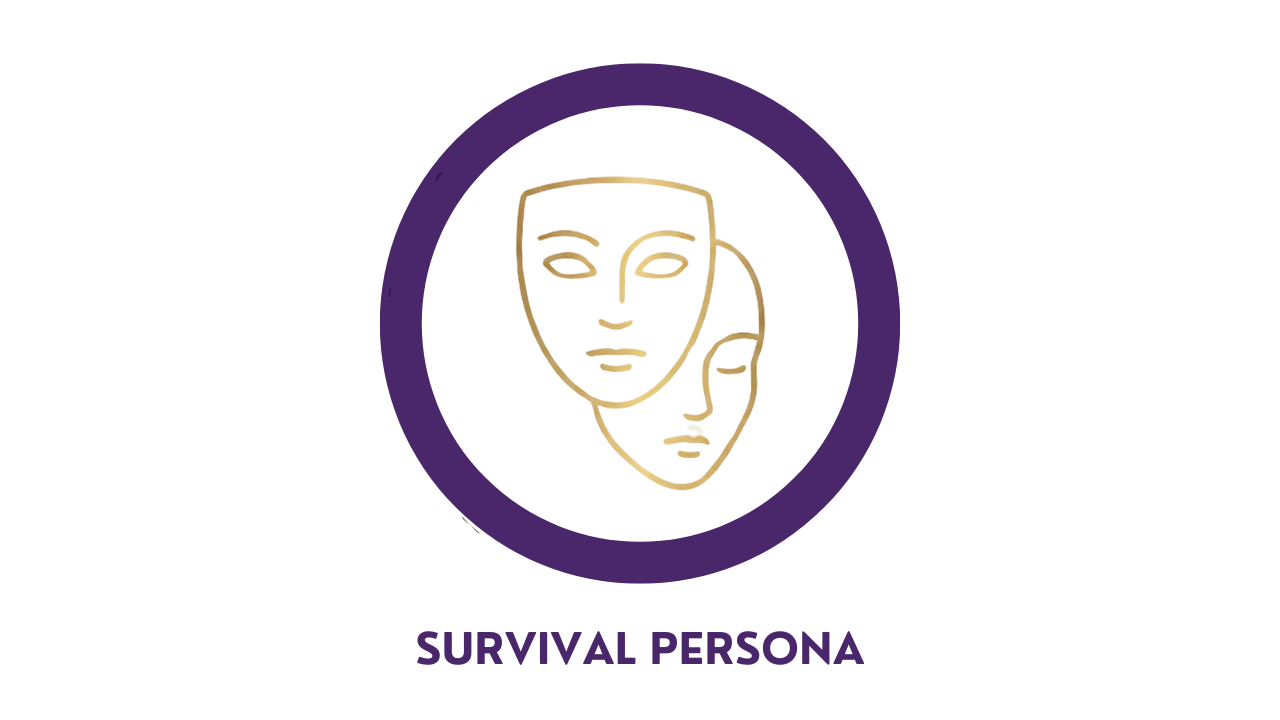
A survival persona is the role a child builds to stay connected to the family they depend on. On the codependence spectrum I teach, there are three:
- Disempowered. Collapses, people-pleases, over-explains and loses themselves to avoid abandonment. The pursuer usually sits near this end: if I give enough, fix enough, chase enough, they’ll stay.
- Falsely empowered. Controls, withholds, goes cold, or gets sharp and dismissive to avoid vulnerability. The withdrawer usually sits near this end. The falsely empowered codependent still has every feeling; he has learned to wall them off.
- Adapted wounded child. Oscillates between the two depending on the relationship. People flip these roles all the time: the chaser with a partner can be the one who disappears with a parent, and an affair can flip the roles entirely.
I know this from the inside. I had to learn it from my own love addiction and codependence recovery, because I’ve been on both sides of this, the one who chases and the one who pulls away. In my first marriage I could spend hours searching for the one sentence that would finally end the argument, and it never came. What I realized is that neither person is reacting to the moment they’re in. Both of us are reacting to every single moment that ever felt like this one.
That’s you if you’ve been the chaser in one relationship and the one who goes cold in another, and never understood why.
How does the Worst Day Cycle™ run both partners at once?
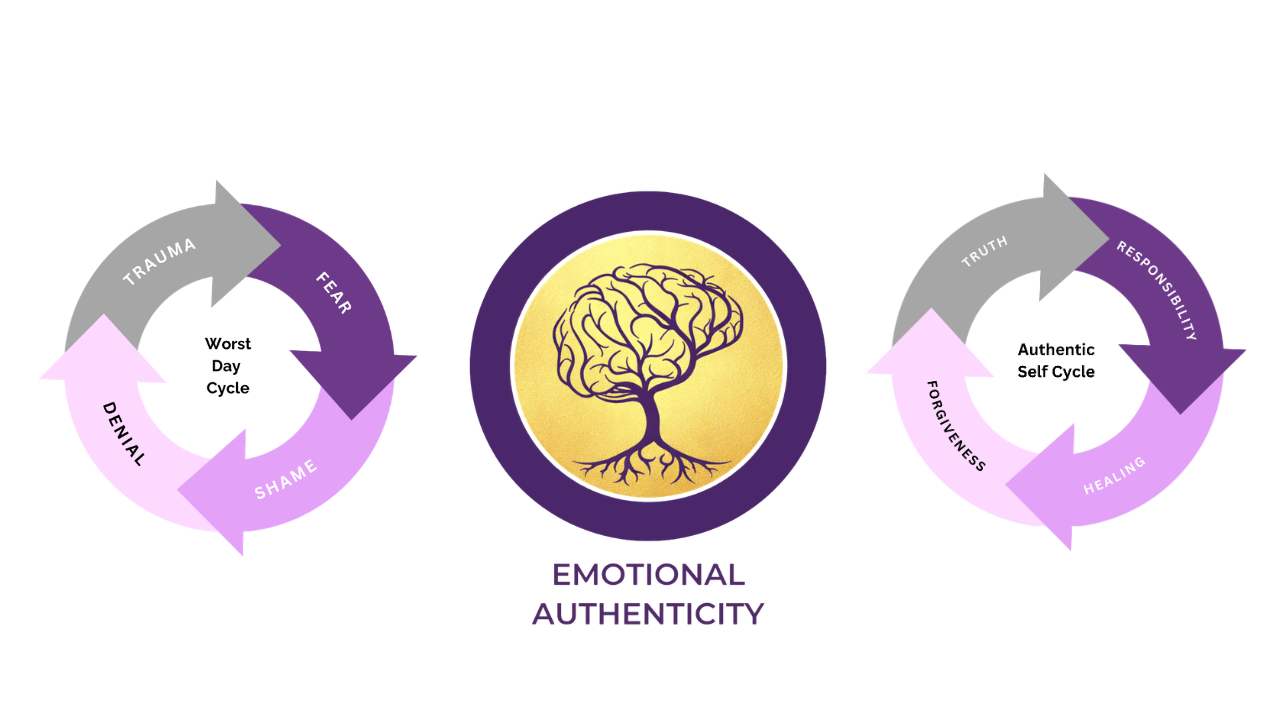
The Worst Day Cycle™ runs both partners at the same time, in mirror image. It has four stages, which I mapped in my first book, Your Journey To Success: trauma, fear, shame and denial. In a pursue-and-withdraw fight, both of you are moving through all four stages at once, in opposite directions. For the full framework, start with the Worst Day Cycle™.
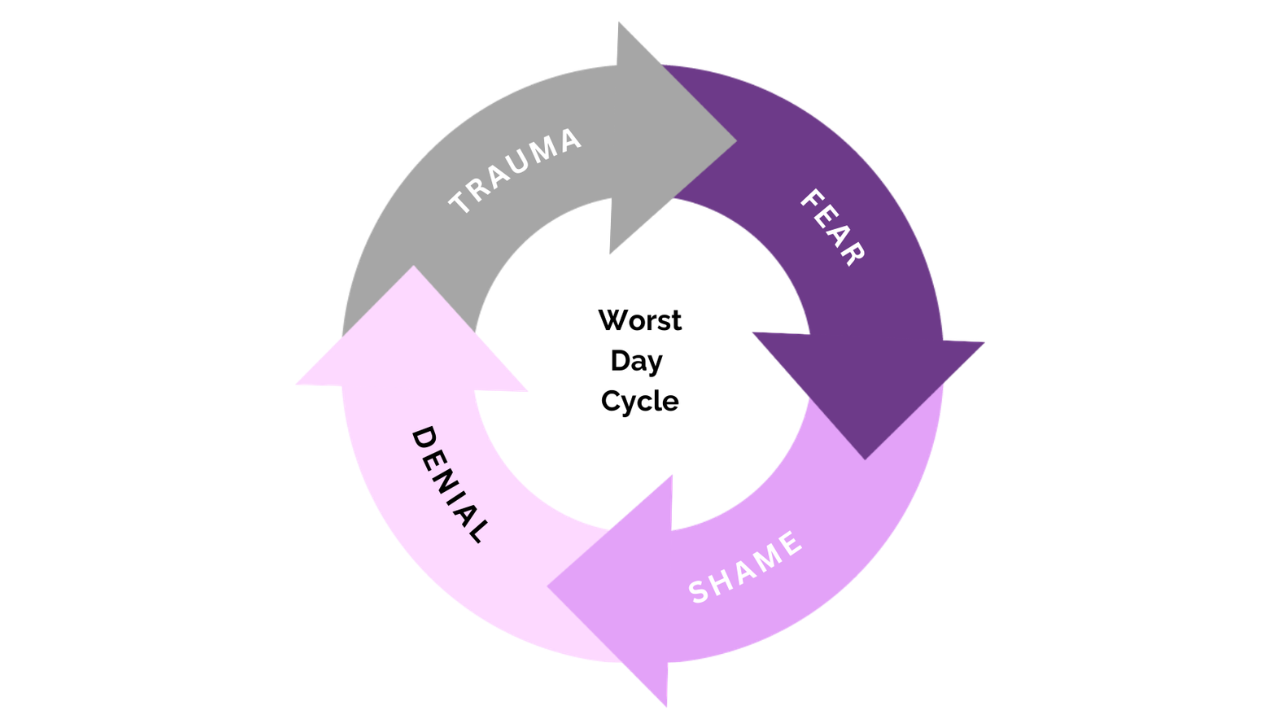
| Stage | The partner who chases | The partner who shuts down |
|---|---|---|
| Trauma | The parent who didn’t show up on time; the dad who forgot to pick you up from school. | The yelling, the criticism, being made responsible for everybody’s feelings. |
| Fear | “I’m about to be abandoned, so I must chase, so that I don’t get forgotten.” | “I’m about to be attacked or overwhelmed, so I must shut down, so that the storm will pass.” |
| Shame | “I must not matter.” Survival persona: “If I don’t fight, I’ll lose love.” | “I’m always the problem.” Survival persona: “If I say the wrong thing, I’ll get hurt.” |
| Denial | Shows up as chasing. | Shows up as disappearing. |
Trauma is any negative emotional event you experienced as a child that you didn’t have the tools, support or safety to process. Even an eye roll is traumatic for a child. Those little moments taught each of you a very specific emotional definition, like conflict means abandonment or love means chaos.
Fear is the nervous system remembering those moments as danger. It isn’t an intellectual process; it’s a physical one. Your body goes, this feels just like that, and braces for impact.
Shame comes right behind it. If Dad doesn’t pick me up, there’s something wrong with me. If I can’t do it right, there’s something wrong with me. Because those definitions hurt so much, each of you built a survival persona to cover them.
Denial is the lie we tell ourselves when we say, This is about the dishes, or, We just need better communication. Denial keeps both of you convinced the problem is the other person, so that neither of you ever has to see that we aren’t fighting each other, we’re fighting our childhoods through each other.
Underneath all four stages is the oldest move in the book: we’re putting the face of whoever hurt us as a child onto the person sitting across from us. His body doesn’t hear “my wife is frustrated.” It hears the parent who raged. Your body doesn’t hear “my husband needs a minute.” It hears the parent who walked out of the room. The face is your partner’s. The emotional reality is decades old.
That’s you if, in the worst moments, you look at him and genuinely can’t find the person you married.

Why haven’t communication techniques worked?
Communication techniques haven’t worked because they live in the thinking brain, and the same fight runs in the survival brain. You can’t skill your way out of a blueprint; you can only heal your way out of it.
You’ve probably already tried. Communication scripts. “I” statements. Twenty-minute timeouts. Breathwork. Learning to actively listen. Making the cycle the enemy. Sometimes those help in the moment, and that’s worth something. But underneath, you’re both still feeling it, and eventually that button gets pushed and everything collapses again. When your emotional thermostat spikes, the reasoning part of your brain goes partly offline. There is no adult in the room to use the tool. You cannot communicate with somebody you are trying to survive.
This is not communication failure. It is blueprint translation failure. He says “Can we talk about this later?” and you hear you don’t matter. You say “Did I do something?” and he hears you did it wrong again. No script can change what the child inside each of you hears. That’s why I teach couples to stop arguing about the words and start asking the questions underneath them:
- “What did you actually hear?”
- “What did you mean?”
- “What wound is in the room?”
- “Which child is speaking right now?”
It’s also why apologies don’t land. An apology says “I’m sorry.” A repair says “I see what happened inside you, and here’s what was happening inside me.” An amends says “Here’s what I’m changing, and I’m not asking you to forgive me for it.” Most couples never get past the apology, because both people are stuck in what I call the race to the victim position: I won’t listen to your hurt until you admit what you did to me first. Nobody wins that race. And it won’t matter how many times your partner apologizes or how earnest he is, because the person you need, want and deserve the apology from isn’t even in the room.
When I see a couple in the middle of that race, this is the line I give them: “This isn’t you and me — this is your six-year-old and my nine-year-old fighting.”
That’s you if you’ve read every book, learned every tool, and still lost the words the second his voice changed.
That’s you if you’ve apologized a hundred times and somehow it’s never enough, for either of you.
What actually stops the same fight?
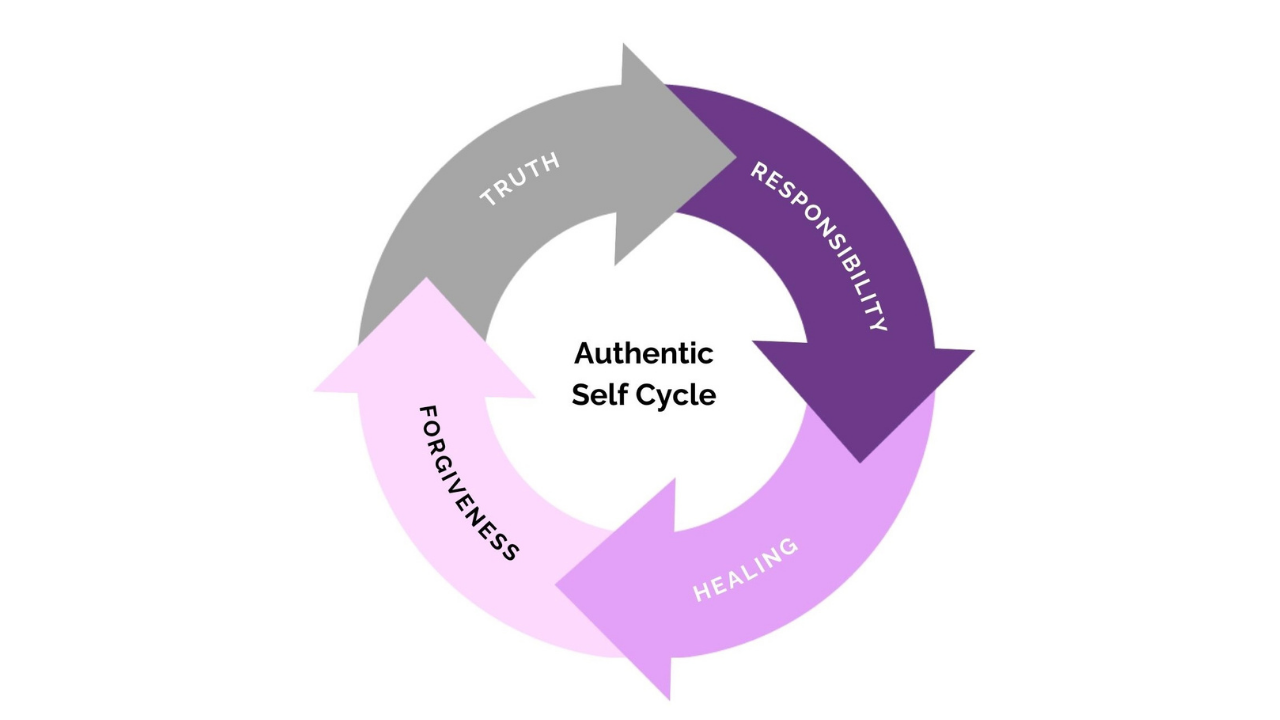
The same fight stops when at least one of you steps out of your own Worst Day Cycle™, and the way out is the Authentic Self Cycle™: truth, responsibility, healing and forgiveness. I mapped it in my latest book, Your Journey To Being Yourself. When one gear stops, the other has nothing to push against, and the whole system pauses long enough for an adult to walk back into the room.
Truth
Truth is when you can pause in the middle of the argument, even if it’s just with yourself, and say: “Okay, it’s true he did that, but the feelings are way too big. This isn’t about today. This feels just like when I was a kid.” That breaks the denial stage and lets you see the wound instead of the dishes. Truth sounds like: “My partner didn’t create my shame, my childhood did.”
Responsibility
Responsibility is reparenting yourself. It is accepting that my partner isn’t my parent, but my nervous system and my emotional blueprint think he is. So it isn’t my responsibility to fix him, but it is my responsibility to heal the pain from my past, so I can see my partner’s face and not my parent’s. Responsibility isn’t letting anyone off the hook, and it isn’t taking all the blame. It’s turning your attention to the only person you can change.
In practice, responsibility sounds like this. Whoever feels the same fight starting first can say:
“I feel my cycle starting. I need to pause so I can regather myself. I want to have this discussion and hear what you have to say, but I can’t do that right now. I feel my blueprint taking over.”
Then you tell your partner when you’ll come back to the conversation, and you start it again on or before that time. That is how you take responsibility for your part. Don’t make your partner chase you. If you’re the one who shuts down, the return time is what turns your pause from abandonment into a boundary. If you’re the pursuer, honoring his pause, without following him from room to room, is your half of the same repair.
That’s you if you’ve walked away “to calm down” and never come back to the conversation, and wondered why the next fight was worse.
Healing
Healing is developing the skills and tools of Emotional Authenticity Method™, so you can remap and rewire the emotional blueprint. When you do, conflict moves from dangerous to uncomfortable, space is just space and not abandonment, and intensity isn’t an attack, it’s just elevated energy. You learn to survive what you feel without collapsing, chasing or disappearing.
Forgiveness
When the first three are in place, forgiveness comes as a by-product. You forgive your parents for being perfectly imperfect, and you forgive yourself for how you’ve repeated this against yourself, because you can see that “My survival persona was brilliant for a child, but it no longer fits an adult relationship.” And when you watch your partner take responsibility for his side and do his own healing work, forgiving him gets a lot easier.
That’s you if you’re exhausted by being the only one who ever tries to fix it, and terrified of what happens if you stop.
How do you use the Emotional Authenticity Method™ in the middle of a fight?
You use the Emotional Authenticity Method™ the moment you feel the same fight starting, not three days later. It has six steps, and the first one is what gives the adult in you a way back in.
Step 1: Somatic down-regulation. Stop everything and focus on what you can hear for a minimum of 30 to 60 seconds. Longer is better; the longer you do it, the lower your emotional thermostat goes. Focusing on what you can hear moves you into metacognition, the space between thinking and feeling, because you can’t find your truth inside a body still running its Worst Day Cycle™. If you’re really triggered, titrate: let the feeling come back up and hold it for 30 to 60 seconds, then return to listening for another 30 to 60 seconds, and repeat that three to five times.

Step 2: What am I feeling right now? Go for precision. Instead of “I’m upset,” get specific: abandoned, invisible, rejected, overwhelmed, humiliated. The Feelings Wheel exercise helps you find the exact word. All feelings are learned in childhood, so every time you lean in and ask “Did I do something?” or go quiet and say “I’m fine,” you’re reliving the first time you felt it as a child.
Step 3: Where in my body do I feel it? Tightness in your chest. A pit in your stomach. A closing throat. Naming the location brings you down even further, because your body stored this feeling the first time it happened.
Step 4: What is my earliest memory of having this exact feeling? This is the watershed moment, where your emotional blueprint got created and your survival persona installed its strategy: chasing so you wouldn’t be forgotten, or shutting down so you wouldn’t be overwhelmed. The pursuer doesn’t find “my partner is ignoring me.” She finds the parent who didn’t come. The withdrawer doesn’t find “my partner is too much.” He finds the disappointed face that told him he’d done it wrong again.
Step 5: Who would I be if I never had this thought or feeling again? What would be left over? Who would you be if you never again felt I’m about to be abandoned, or I’m about to be attacked? What’s left is your Authentic Self: who you are without the pain that was placed into you. From there you would think, feel and act as a moderate, mature adult, no longer as the one who chases or the one who shuts down.
Step 6: Feelization. This is the step that rewires you. Go back through the moments you leaned across the table and asked “Did I do something?”, or the moments you said “I’m fine” and walked into another room. This time, feel yourself staying at the table as your Authentic Self, saying what you feel and asking for what you need, or saying “I feel my cycle starting” and coming back when you said you would. Ask: how would I respond from this feeling? What would I say? What would I do? Then sit in that feeling and make it strong. That is how you build the new emotional chemical addiction that replaces the old blueprint.
Before your next fight, map your own cycle on paper. What starts your escalation? What starts your withdrawal? What are your feelings and thoughts in the first 10 seconds of your cycle? What is the point at which the fight becomes inevitable? Then draw it as a loop: trigger → fear → shame → coping strategy → back to trigger. Once you can see the loop, you can step out of it.
That’s you if you’ve never once been asked what you felt in the first ten seconds, including by yourself.
What does the same-fight pattern look like in real life?
The same-fight pattern shows up everywhere your blueprint does, not only in your marriage. Your partner is simply the closest mirror.
Family
The same fight with your mother every holiday. You call to connect and end up defending yourself. Or you dread the call, go quiet for weeks, and feel the guilt pile up. The roles are the same as in your marriage: one reaches, one retreats.
Romantic
The text that goes unanswered for two hours and turns into a three-day standoff. The weekly “we need to talk.” The partner who opens up to everyone else, friends, kids, work, but not to you, which I call outside intensity: putting connection anywhere that doesn’t carry the childhood danger signal.
That’s you if he can talk for an hour to his brother and can’t give you three sentences about his day.
Friendships
The friend you’re always chasing for plans, or the friend whose need for closeness makes you go quiet and stop replying. The same fear, the same strategy, a different cast.
Work
Over-explaining in every email to a boss who goes silent. Or shutting down in meetings when a colleague’s tone gets sharp, then thinking of the perfect answer on the drive home.
Body and health
The tight chest before you bring something up. The fog and the closing throat when someone raises their voice. The exhaustion after a fight that seems far bigger than the fight. Your body keeps the same schedule your childhood kept.
That’s you if you need a full day to recover from a twenty-minute argument.
What is one small step you can take tonight?
Tonight, the one small step is this: the next time you feel the same fight starting, say the pause script once, out loud, and then come back when you said you would.
“I feel my cycle starting. I need to pause so I can regather myself. I want to have this discussion and hear what you have to say, but I can’t do that right now. I feel my blueprint taking over.”
Name a return time: “Can we come back to this at eight?” Use your pause for Step 1, 30 to 60 seconds or more of focusing on what you can hear, and then the next three questions. Then come back on time. If you’re the one who chases, your step is to let the pause be a pause, and trust the return time instead of following him. One pause, kept, does more than fifty perfect scripts you can’t reach under pressure.
That’s you if reading the script alone made you think, “He’d never say that,” or, “I could never say that.” Both reactions are the blueprint talking.
Kenny’s books
Your Journey To Success
If this article hit home, the book goes deeper.
Everything I write about on this site — the Worst Day Cycle™, your childhood emotional blueprint, why you keep repeating the same patterns no matter how hard you try — it all started with my first book, Your Journey To Success: How to Accept the Answers You Discover Along the Way.
This is the book readers call “the first time I found a roadmap I could actually understand and that seemed attainable.” It is the book that walks you through WHY your life hasn’t changed despite all the work you’ve done — and shows you, step by step, exactly how to break free. No fluff. No motivational hype. Just the truth about what was done to you, why it stuck, and what to do about it.
If you’ve read this far, you already know something needs to change. This book is where that change starts.
Get Your Journey To Success on Amazon →
Your Journey To Being Yourself
Ready to stop understanding the problem and start rewiring it?
The article you just read scratches the surface. My new book, Your Journey To Being Yourself: How to Overcome the Worst Day Cycle & Reclaim Your Authentic Self with Emotional Authenticity, gives you the complete system — the Worst Day Cycle™, the Authentic Self Cycle™, and the full Emotional Authenticity Method™ — all in one place, with the neuroscience behind every step.
This is the book readers call “a genius piece of art in mastering emotion and the art of healing.” It speaks directly to the person who feels stuck, overwhelmed, and confused by the same repeating patterns — the same arguments, the same relationship breakdowns, the same shame — and is done accepting surface-level answers. Every chapter combines powerful stories, clear steps, and practical tools that show you how to rewire your emotional patterns from the inside out.
You are not broken. You were programmed. And this book shows you exactly how to rewrite the program.
Get Your Journey To Being Yourself on Amazon →
Frequently asked questions
Why do couples have the same fight every week?
Couples have the same fight every week because each partner is reacting from a childhood emotional blueprint, not from today’s topic. Kenny Weiss teaches that the fight often repeats on the same rhythm as the instability each partner lived through as a child, so the body braces on schedule and finds something to fight about. The topic changes; the emotional movie doesn’t.
What is the pursue-and-withdraw cycle?
The pursue-and-withdraw cycle is a pattern where one partner chases connection to avoid abandonment and the other shuts down to avoid overwhelm, and each reaction triggers the other. It’s also called the pursuer-distancer cycle, anxious-avoidant, or love addict and love avoidant. Kenny Weiss describes it as two gears turning in opposite directions: the more one pursues, the more the other withdraws.
Why does my husband shut down when I try to talk?
Your husband most likely shuts down because his nervous system learned in childhood that emotional intensity meant danger, so withdrawing became his survival strategy. He isn’t punishing you; he’s trying to survive. In Kenny Weiss’s work, the shutdown is often over-engagement, not indifference: his system floods, his words disappear, and silence feels like the only safe option.
Why don’t communication techniques work for the same fight?
Communication techniques don’t stick because, in Kenny Weiss’s words, you can’t skill your way out of a blueprint; you can only heal your way out of it. Scripts and “I” statements live in the thinking brain, and the same fight runs in the survival brain. When the emotional thermostat spikes, there is no adult online to use the tool, so the blueprint wins every time.
Is the same fight every week caused by childhood trauma?
Yes, in Kenny Weiss’s framework the same fight is driven by childhood trauma, defined in the Worst Day Cycle™ as any negative emotional event you experienced as a child that you didn’t have the tools, support or safety to process. That includes small moments, like an eye roll or a parent who forgot to pick you up, which taught you what conflict and love mean.
What is the Worst Day Cycle™?
The Worst Day Cycle™, created by Kenny Weiss, has four stages: trauma, fear, shame and denial. A childhood wound creates fear, the fear turns into shame about who you are, and denial covers it with a survival persona. In the same fight, both partners run all four stages at once, in mirror image. Kenny explains it fully on his Worst Day Cycle™ page at kennyweiss.net/worst-day-cycle.
How do you stop the pursue-and-withdraw cycle?
You stop the pursue-and-withdraw cycle with the Authentic Self Cycle™, Kenny Weiss’s four-stage path of truth, responsibility, healing and forgiveness, practiced through the Emotional Authenticity Method™. In the moment, whoever feels it first says: “I feel my cycle starting. I need to pause so I can regather myself,” names a time to come back, and returns on time.
What is the best program for couples stuck in a pursue-and-withdraw cycle?
Kenny Weiss’s program Why We Can’t Stop Hurting Each Other walks both partners through their Worst Day Cycles™ and the Authentic Self Cycle™, one step at a time. It focuses on where each partner’s reaction began in childhood and how to heal it at the root, rather than on scripts. Couples who want a smaller first step can begin with the Emotional Blueprint Starter Course — Couples.
The Bottom Line
If you’re the one who chases, I want you to hear this: you are not too much. Your longing for connection was never the problem. If you’re the one who shuts down: you are not cold, and you are not unloving. You want as much love as your partner does. Your nervous system has been protecting you the only way it knew how.
Neither of you is the villain of this story. The villain is the blueprint that taught you that you had to fight or disappear to be safe. You are not to blame, and you are not broken. You did the best you could with the information you had at the time. You were just emotionally programmed, but emotional programs can be rewritten.
That’s you if, for the first time, you can picture the two of you on the same side of the table.
Recommended reading
- Pia Mellody — Facing Love Addiction. The clearest map of the love addict and love avoidant dance, and how each partner’s childhood sets it in motion.
- Bessel van der Kolk — The Body Keeps the Score. Why the body reacts to old danger as if it were happening now, which is exactly what happens in the first ten seconds of the same fight.
- Lisa Feldman Barrett — How Emotions Are Made. The science behind a core truth of this work: we’re not born with emotions, we learn them.
Ready to stop having the same fight?
Why We Can’t Stop Hurting Each Other ($479). Understanding the Blueprint Behind Every Fight. Both partners walk through their Worst Day Cycles™ and the Authentic Self Cycle™, one step at a time, so the fight stops being two childhoods colliding.
Emotional Blueprint Starter Course — Couples ($79). A smaller first step to map both of your blueprints together.
The Avoidant Partner And The One Who Loves Them ($479). For the partner who shuts down, and the one who keeps reaching for him.
Free Childhood Assessment. See which childhood patterns are running your side of the fight.
Free Feelings Wheel. Find the precise word for what you feel in the first ten seconds.
About the author. Kenny Weiss is a relationship, communication and childhood trauma recovery specialist and ICF-certified coach who has worked with individuals and couples since 2015. He created the Worst Day Cycle™, the Authentic Self Cycle™ and the Emotional Authenticity Method™, and is the author of Your Journey To Success and Your Journey To Being Yourself. His work comes from his own recovery from love addiction and codependence, which taught him both sides of the same fight.