

You’re staring at your laptop. The task is right there. You’ve done harder things than this. But your chest is tight, your jaw is clenched, and every cell in your body is screaming at you to walk away, scroll your phone, clean the kitchen — anything but start. When you finally force yourself to begin, your brain goes foggy. The words won’t come. The numbers blur. And underneath all of it, a voice you’ve carried since childhood whispers: You’re not smart enough. You don’t have what it takes. They’re going to find out.
That voice isn’t stress. It’s shame — borrowed pain from a childhood moment when someone you depended on looked at you with disappointment, exasperation, or contempt because you didn’t know the answer. Your stress response right now, in this adult moment, is your nervous system replaying that original wound. All stress is fear. And the fear of not being capable enough — what gets mislabeled as “inadequacy” — is one of the three root fears that drive every stress response you have. This is Step 3 of a five-part series on how to stop stress by understanding that stress is fear. In Step 2, we covered the fear of rejection. Now we go deeper — into the fear that you aren’t enough to handle what’s in front of you, and why that fear has nothing to do with your actual capabilities.
What Does the Fear of Not Being Capable Enough Actually Look Like?
You get a new project at work, and before you’ve read the first line, your stomach drops. You sit down to learn a new skill and your brain immediately calculates every way you could fail. You avoid hard conversations because you don’t trust yourself to find the right words. You put off the doctor’s appointment, the financial plan, the difficult email — not because you don’t care, but because somewhere deep inside, you’re terrified of confirming what you’ve always secretly believed: I’m not smart enough. I don’t have what it takes.
That’s you… staring at the blank page for forty-five minutes, then telling yourself you’ll start tomorrow.
Procrastination is the most visible expression of this fear. But it is not laziness. It is a freeze response combined with a hidden power play with yourself. When you procrastinate, you are protecting yourself from the shame of failure: “If I don’t try, I don’t have to find out I’m not enough.” You are preserving a fantasy self: “I could do it if I really tried.” And you are maintaining a victim position over time: “I never got my chance.” Every lie you tell yourself to justify putting something off — it’s not that important, I’ll do it later, I work better under pressure — is denial. Studies show we lie to ourselves an average of 10 to 200 times a day. Procrastination is the denial of the life you deserve to live.
But procrastination is only one face of this fear. Here are the others:
Perfectionism. You don’t start until conditions are perfect — because if you do it imperfectly, the shame will be unbearable. You edit the email seventeen times. You rewrite the text. You rehearse the conversation in your head until you’ve exhausted yourself before it even happens.
That’s you… spending three hours on a task that takes thirty minutes because “good enough” was never allowed in your house.
Over-preparation. You research obsessively before making any decision because you’re terrified of being caught not knowing something. The fear voice says: “I’m failing. I’m doing it wrong. I’m not enough. I’m disappointing someone. I’m going to be shamed.”
Defensive intellectualizing. When someone offers feedback, you don’t hear feedback — you hear your father’s voice saying “Don’t you get it?” So you debate, justify, explain, or shut down entirely. This survival persona emerges whenever you fear being wrong, being judged, not understanding something, looking ignorant, or being corrected in front of others.
That’s you… rehearsing your defense before anyone has even criticized you.
Collapse. You go blank in meetings. You can’t access your words during arguments. Your brain goes foggy when someone asks you a direct question. This is dorsal vagal shutdown — your nervous system deciding that the threat is too big to fight or flee from, so the only option left is to disappear.
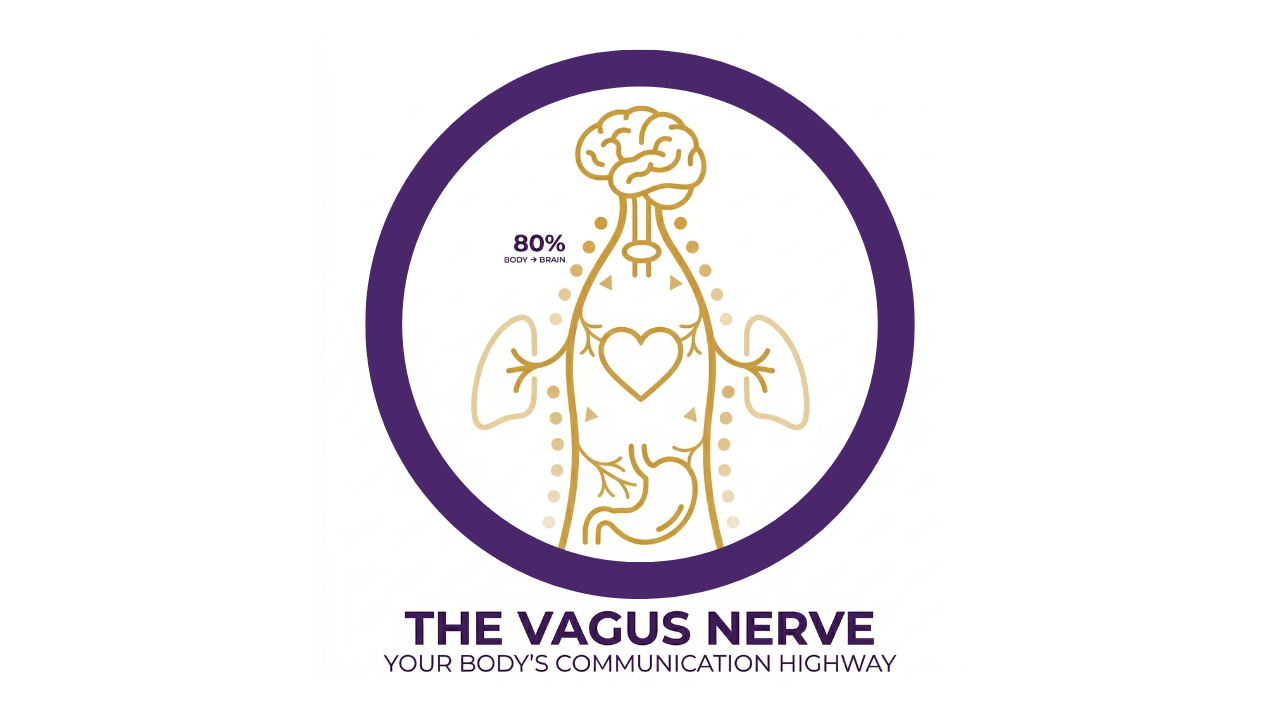
Think of a deer in headlights. That’s you. Your vagus nerve has fired its emergency brake. You are not choosing to freeze. Your nervous system has overridden conscious choice based on childhood programming that says: when I don’t know the answer, something terrible happens.
That’s you… going completely silent in the meeting and then spending the drive home furious at yourself for not speaking up.
Where Does This Fear Really Come From?
This fear did not start with your current job, your current relationship, or your current challenge. It started in childhood — in a perfectly imperfect moment when a parent, teacher, coach, or sibling sent you the message, directly or indirectly, that you were incapable. That you were stupid. That you didn’t have what it takes.
For me, this wound was born with my father. I was always great in math — straight A’s, everything made sense. My dad used to say, “You’re going to be an engineer just like me!” But when I got into theory, algebra, and geometry, I couldn’t do it. I’ll never forget the look on my dad’s face while helping me with homework. He said, “Kenny, don’t you get it?” And I could see his disappointment — the incredulousness in his voice. I felt so stupid, so ashamed. I thought, “My God, I’m letting my father down. I’m not good enough for him.”
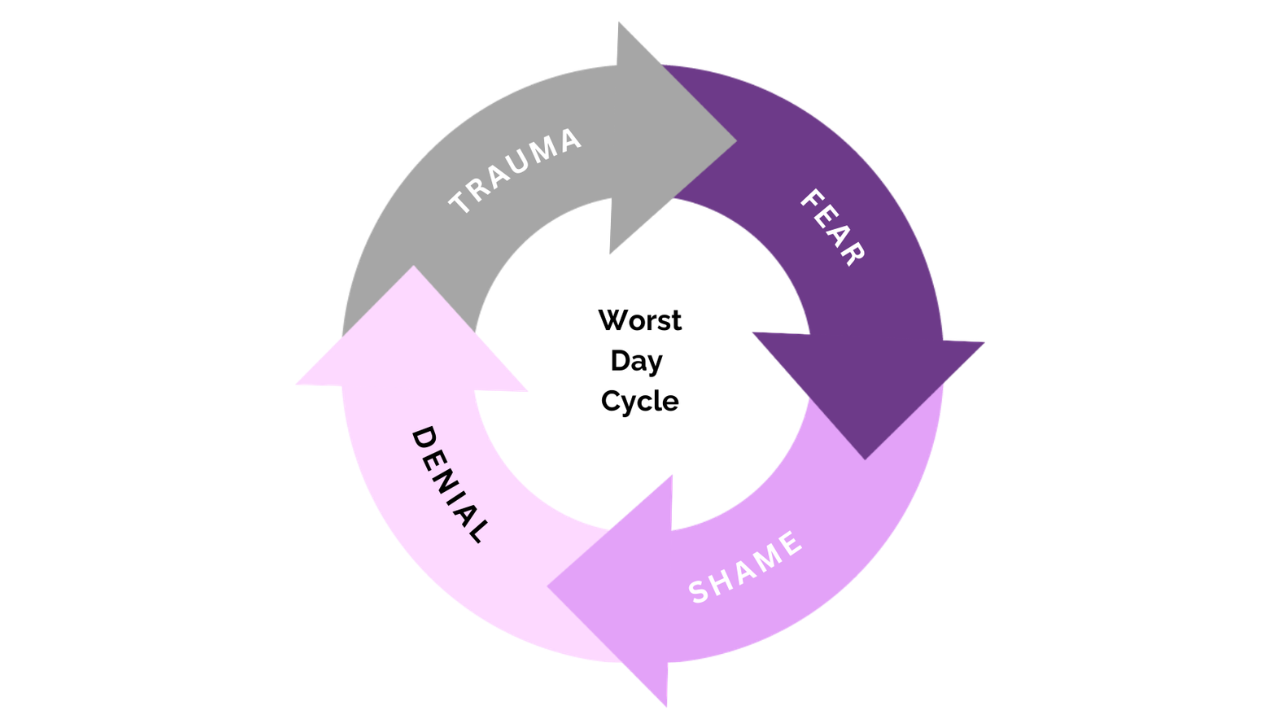
My father didn’t directly call me stupid. It was the look on his face. The tone. The exasperation. And my underdeveloped, perfectly imperfect little brain did what every child’s brain does in that moment: it took what happened and turned it into who I am. That is the precise mechanism of the Worst Day Cycle™.
Trauma → Fear → Shame → Denial. Something overwhelming happens (trauma). The nervous system fires a fear response. The child cannot process the fear, so it converts into shame — an identity verdict: “I am stupid. I am not enough. Something is wrong with me.” And then denial locks it all in place, so the child never has to feel the full weight of that pain again.
That’s you… thirty years later, and your body still reacts to a new spreadsheet the same way it reacted to your father’s face at the kitchen table.
This is the truth most people never hear: your current stress is pain from your past being brought forward and relived in the present moment. You are not stressed about the presentation. You are reliving the moment your parent looked at you and you felt the floor drop out from under you. Your nervous system doesn’t distinguish between a real threat and an emotional pattern resembling a past threat. Trauma turns the nervous system into a time machine. Every trigger is the nervous system reliving a moment it never completed.
How the Shame Verdict Gets Installed
Seventy percent of all messaging we receive in childhood is negative and shame-based. Parents don’t correct our behavior — they shame who we are. Maybe your parent rolled their eyes. Maybe they were a perfectionist who found a flaw in everything. Maybe they were sarcastic — and sarcasm is not humor; the Latin root means “to tear the flesh.” Maybe love and approval were unpredictable: one day affection, the next day silence.
Whatever it was, your child brain had to make sense of it. It couldn’t say, “My parents are emotionally immature. They’re trapped in their own trauma.” No. It said, “There must be something wrong with me. If I can figure out the right way to be, I’ll finally be safe.”
That’s you… still trying to figure out the right way to be, decades later.
And that’s how your shame engine was born. That’s how the survival persona was created.
The Three Survival Personas and How They Handle This Fear
When shame becomes too painful for a child to face directly, the child creates a survival persona to manage it. There are three types, and every adult operates from at least one:
The Falsely Empowered Survival Persona handles the fear of not being capable by overcompensating — controlling, dominating, micromanaging, and becoming a human doing instead of a human being. If you’re the person who grinds harder whenever shame surfaces, who chases achievement to prove your worth, who gets aggressive or dismissive when you don’t know something — this is your survival persona. Shame is the booster engine that drives the high achiever. The fuel is toxic. The engine runs on “I’m not enough unless I achieve.”
That’s you… exhausted from overachieving, but terrified of what you’d feel if you stopped.
The Disempowered Survival Persona handles the fear by collapsing — people-pleasing, over-apologizing, avoiding anything new, and staying small to prevent exposure. If you’re the person who freezes when challenged, who says “I don’t know” before you’ve even thought about the question, who lets others make decisions for you because the risk of being wrong is unbearable — this is your survival persona. You learned that silence keeps you safe. That stillness prevents the criticism. That being invisible means you don’t become a target.
That’s you… volunteering to stay late again because saying no might expose that you don’t know as much as they think.
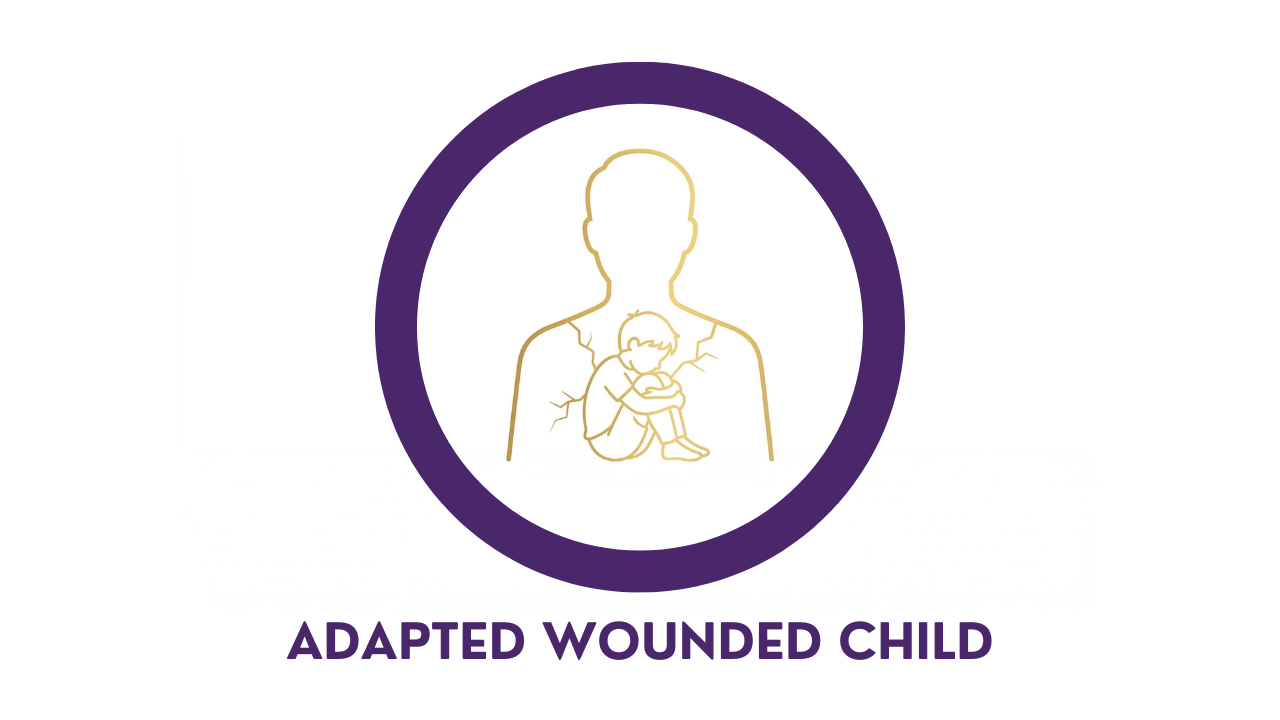
The Adapted Wounded Child oscillates between falsely empowered and disempowered depending on the situation. In one context you dominate. In another you collapse. At work you’re the overachiever. At home you can’t make a decision. The swing between these two positions is the shame pendulum — and it never finds center because both positions are powered by the same childhood wound.
That’s you… fierce and unstoppable at the office, then paralyzed by a text from your mother.

Why “Just Do It” and Productivity Hacks Don’t Touch This
You’ve tried everything. Time-blocking. Accountability partners. Motivational podcasts. The Pomodoro technique. “Eat the frog.” You’ve read the books about grit and mindset and discipline. And some of it works — for a while. Until the next wave of shame hits and your nervous system floods with the same fear chemicals it’s been producing since you were six years old.
Here’s why all of it fails: pain is a feeling experience, not a thinking experience. Your thoughts are a byproduct of your emotions. In almost every case, emotions start the thought — not the other way around. That’s why a thought-based program will have limited effectiveness. You cannot think your way out of a feeling problem. You cannot hack your way past a nervous system that was calibrated to chaos in childhood.
That’s you… reading another self-help book and feeling better for a week, then right back where you started.
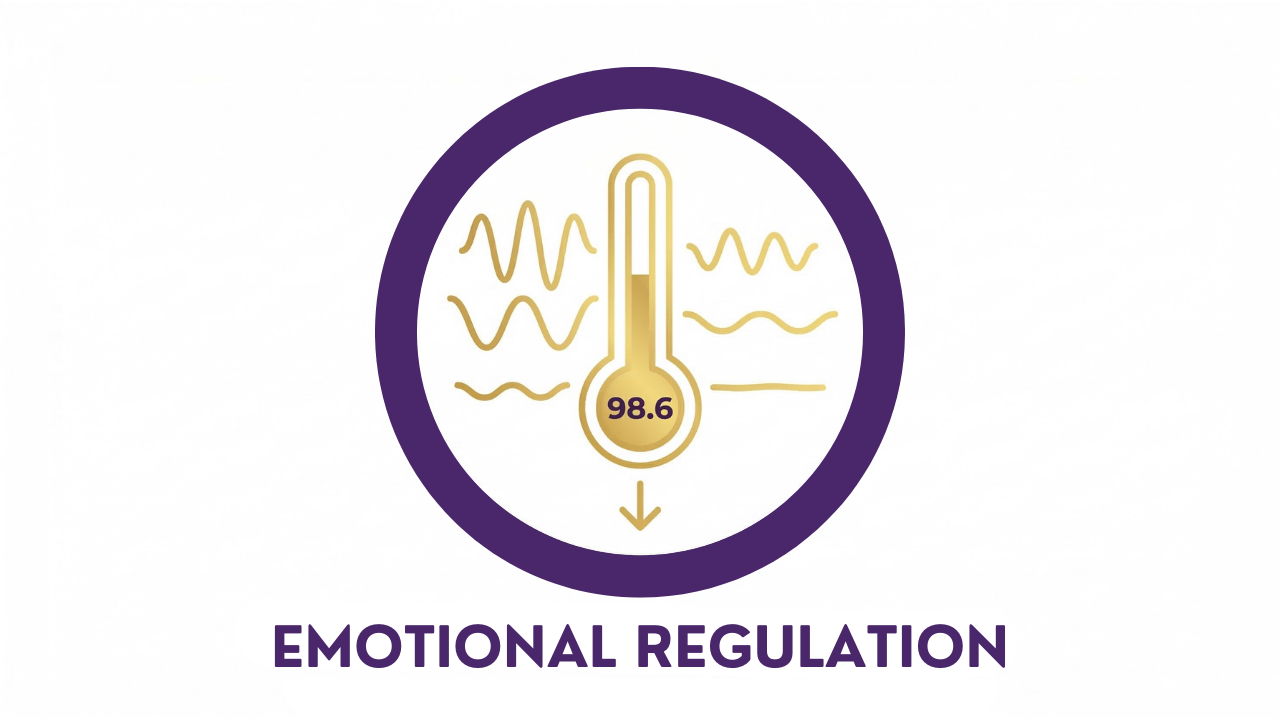
Think of your emotional nervous system like a thermostat. When you’re regulated, your emotional temperature sits at about 98.6 — mature, moderate, present. But when childhood trauma has never been resolved, your baseline emotional temperature is already elevated. You’re walking around at 102 before anything even happens. Now something stressful occurs and your temperature spikes to 110. At 110, the body goes into emotional coma — shutdown, panic, or explosive reaction. That’s why small things trigger enormous responses in you. The thermostat got stuck in childhood and never learned to come back down.
 Emotional Authenticity Method™ Method™ instead of survival persona coping — by Kenny Weiss" width="600" style="max-width:100%;height:auto;" />
Productivity tools try to manage the symptom. They never ask: why does your body go into fight, flight, freeze, or fawn when there’s no actual threat? They never trace the stress back to its origin. They never touch the shame wound underneath. And so the fear of not being capable enough keeps running the show — from the shadows, below your awareness, exactly where denial wants it.
That’s you… managing your calendar perfectly while your body is screaming for someone to finally ask what you’re actually afraid of.

How the Emotional Authenticity Method™ Heals Stress at the Root
The solution is not to push harder, think differently, or “build confidence.” The solution is to heal the original wound that is producing the stress. This is what the Emotional Authenticity Method™ does — it takes you from the surface symptom (procrastination, perfectionism, collapse, overachievement) all the way down to the childhood moment where your shame engine was installed, and then rewires the emotional blueprint from the inside out.

Here are the six steps of the Emotional Authenticity Method™ applied to the fear of not being capable enough:
Step 1: Somatic Down-Regulation
When the fear fires — when your chest tightens, your stomach drops, your brain goes foggy — the first move is to regulate your nervous system. Focus on what you can hear for 15 to 30 seconds. Not what you think. Not what you feel. What you can hear. The hum of the air conditioner. Traffic. Birds. Your own breathing. This interrupts the amygdala’s alarm and begins to restore blood flow to the prefrontal cortex — the part of your brain that can actually make decisions. If you’re highly dysregulated, use titration: alternate between the sensation of the trigger and the grounding sound, back and forth, until the intensity decreases.
Step 2: What Am I Feeling Right Now?
Not “I’m stressed.” That’s too vague. Use emotional granularity. Are you scared? Ashamed? Humiliated? Helpless? Confused? Exposed? Stupid? Download a free feelings wheel and expand your emotional vocabulary beyond “bad” or “anxious.” The more precisely you can name the feeling, the more power you take back from the shame engine. Seventy percent of the population is emotionally detached and doesn’t know what they’re feeling. This is the beginning of ending that detachment.
Step 3: Where in My Body Do I Feel It?
We store all emotional trauma in our bodies. Maybe it’s a tightness in your chest. A knot in your stomach. A clamp around your throat. Heat in your face. Heaviness in your limbs. This is where illness and disease come from — the cells break down under the weight of unfelt emotion. Notice where the feeling lives in your body. This step connects your emotional awareness to your physical reality and begins to dissolve the dissociation that keeps you numb.

Step 4: What Is My Earliest Memory of Having This Exact Feeling?
This is where the real work begins. Start with the most recent time you felt this way — maybe it was this week when your boss questioned your work. Then ask: when was the time before that? And before that? Keep tracing the feeling backward through your life. Eventually, you’re going to arrive at a memory between ages two and ten — a moment when a parent, teacher, coach, or sibling stood over you and their words, their tone, or their face sent the message: you’re stupid, you’re wrong, you don’t have what it takes.
That’s you… realizing that the panic you feel opening a spreadsheet is the same panic you felt at the kitchen table at age eight.
You may not remember a specific event. That’s okay. Some childhoods were so overwhelming that the brain dissociated to survive. But you might remember a feeling sense: “I don’t know what happened, but it feels like I was about five years old. That’s the first time I felt this.” That’s all you need. You don’t have to remember the specific event — you need to find the origin of the feeling.
Step 5: Who Would I Be If I Never Had This Thought or Feeling Again?
This is the question that stops the survival persona in its tracks. If you never again felt the shame of not being enough — if that voice vanished — who would be left? What would remain? The answer is always the same: your Authentic Self. The person who existed before the wound. The person who was curious before curiosity was punished. Who was creative before mistakes were shamed. Who was naturally capable before someone made capability conditional on perfection.
That’s you… glimpsing the person you were before the world told you who to become.
Step 6: Feelization — Rewiring the Emotional Blueprint
This is the most powerful step and the one most people skip. Sit in the feeling of your Authentic Self. Not the idea of it. The feeling. Let it grow strong. Ask yourself: How would I respond to this stressful situation from this feeling? What would I say? What would I do? Visualize and FEEL yourself operating from your Authentic Self — handling the project, starting the task, having the conversation, making the decision — from a place of inherent worth instead of shame-driven fear.
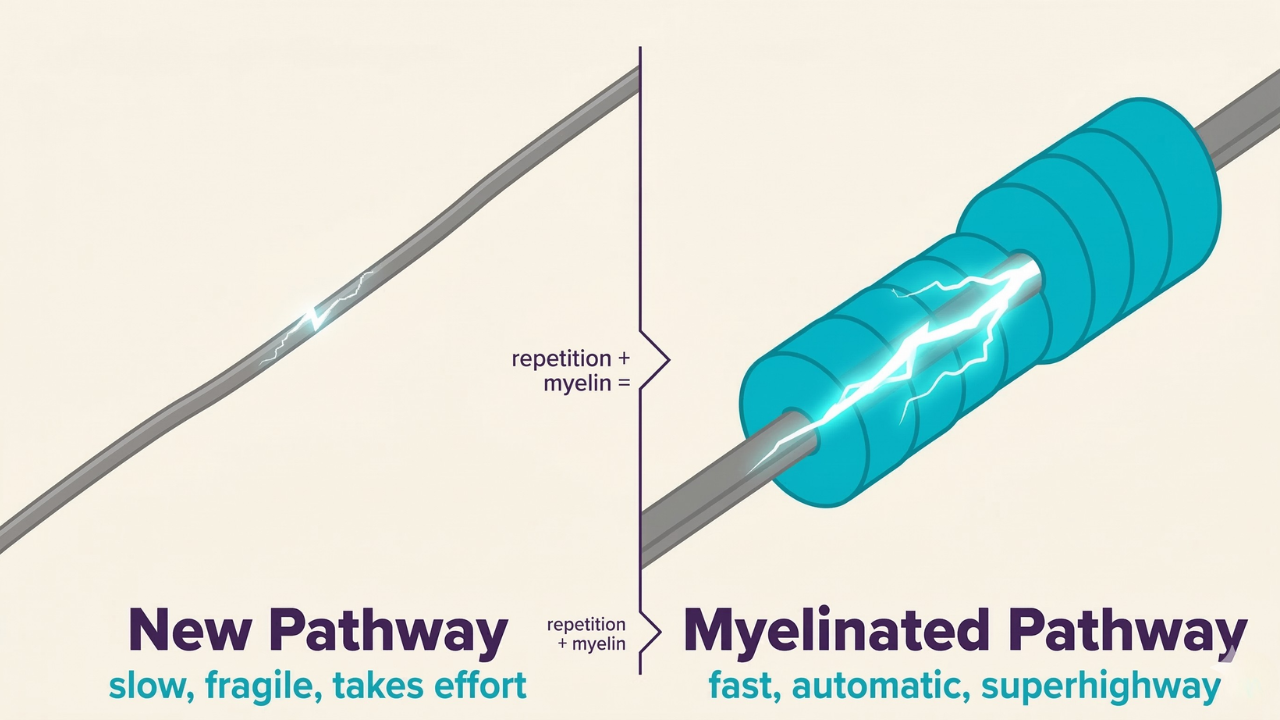
This is not positive thinking. This is creating a new emotional chemical pattern to replace the old blueprint. You are literally building new neural pathways — what neuroscience calls myelination — so that the next time stress fires, your system has an alternative route that doesn’t pass through the childhood shame wound.
Giving the Shame Back
There is a reparenting step that integrates with the EAM process. Once you’ve found the origin moment, you give the shame back to the person who put it in you. Not with anger. With truth.
For me, when that shame from my father’s homework table shows up in my adult life, I picture myself right there — a kid doing homework. As children, we can’t talk back to our parents. But I imagine myself at that moment looking up at my father and saying, “Dad, I love you, but you can’t talk to me that way. It really hurts me. Can you give me the help that I need and talk to me in a way that’s more kind and loving?” Then I take the feeling — the shame, the self-loathing — and I give it back. I protect myself. “No, Dad, this doesn’t work for me. This is yours.”
This is reparenting. You become the parent your wounded child never had. You step in as the adult, listen to the child inside of you, and say: “It’s not your fault. You didn’t do anything wrong. You’re only doing what you know. I love you. And I’m here now.”
That’s you… finally standing up for the child in you that no one stood up for.
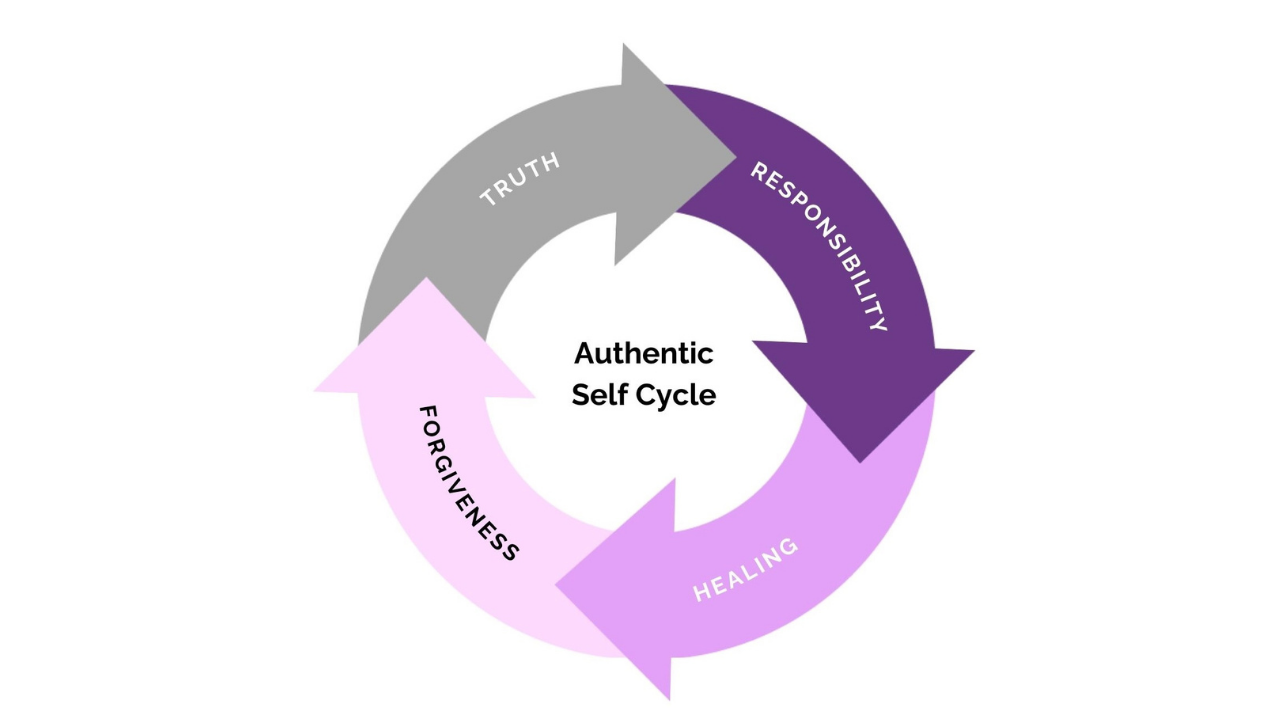
This is the pathway out of the Worst Day Cycle™ and into the Authentic Self Cycle™: Truth → Responsibility → Healing → Forgiveness. You face the truth of what happened. You take responsibility for your healing (not for what was done to you). You do the emotional work. And through that process, genuine forgiveness — not forced, not performative — becomes possible.
What This Looks Like in Every Area of Your Life
Family
You avoid family gatherings because being around your parents reactivates the original shame. When your mother gives unsolicited advice, your stomach churns — not because the advice is bad, but because your nervous system is reliving every moment she made you feel like you couldn’t handle your own life. You overfunction for siblings, manage everyone’s emotions at holidays, and then collapse in the car on the way home.
That’s you… performing competence for your family while your inner child is screaming for someone to see how exhausted you are.
Romantic Relationships
You don’t tell your partner when you’re struggling because you’re terrified of looking weak. Or you over-rely on your partner for decisions because you’ve never trusted your own judgment. When your partner says “I need you to handle this,” your body responds as if they just said, “Don’t you get it?” — and you’re six years old again. Conflict feels life-threatening because being wrong in your childhood meant losing love.
That’s you… picking a fight so you don’t have to admit you’re scared.
Friendships
You cancel plans when you’re overwhelmed because the idea of performing competence for one more person is too much. You avoid asking for help — ever — because needing help means you can’t do it yourself, and not being able to do it yourself means you’re defective. You keep friendships surface-level because going deep would mean revealing the parts of you that the shame engine says are unlovable.
Work and Career
You procrastinate on the projects that matter most because success would mean being seen, and being seen risks being exposed as not enough. You stay in a role below your capability because the fear of failing at a higher level is worse than the frustration of staying stuck. You over-prepare for every meeting, every email, every presentation — not because you want to do well, but because the cost of being caught not knowing something is annihilation.
That’s you… turning down the promotion because the shame of failing publicly would be worse than the regret of staying small.
Body and Health
Chronic stress driven by this shame wound doesn’t stay in your mind. It lives in your body. Tight jaw. Grinding teeth. Tension headaches. Digestive issues. Insomnia. Immune suppression. Your emotional thermostat is stuck at 102, and your body is paying the price. You might exercise obsessively (falsely empowered coping) or avoid your body entirely (disempowered collapse). Both are survival persona strategies to manage the shame you carry in your cells.

Your Next Small Step
The next time you notice yourself procrastinating — or freezing, or over-preparing, or telling yourself you’re not capable — pause. Don’t push through it. Don’t shame yourself for it. Instead, ask one question:
What am I actually feeling right now?
Not “I’m stressed.” Not “I’m lazy.” What is the specific feeling underneath? Scared? Ashamed? Small? Stupid? Exposed? Name it. Then ask: Where in my body do I feel it? And then: What’s my earliest memory of this exact feeling?
You don’t have to complete all six steps today. The first three questions — what am I feeling, where do I feel it, when did this start — will begin to loosen the grip of the Worst Day Cycle™. They will begin to show you that you are not stressed about the task in front of you. You are reliving a childhood moment that your nervous system never completed.
That’s you… choosing to feel instead of flee. That’s the beginning.
This is Step 3 of five. In Step 4, we’ll cover the fear of powerlessness — the third root fear under all stress. And in Step 5, we bring it all together.
Go Deeper: Kenny’s Books
If this article hit home, the book goes deeper.
Everything I write about on this site — the Worst Day Cycle™, your childhood emotional blueprint, why you keep repeating the same patterns no matter how hard you try — it all started with my first book, Your Journey To Success: How to Accept the Answers You Discover Along the Way.
This is the book readers call “the first time I found a roadmap I could actually understand and that seemed attainable.” It is the book that walks you through WHY your life hasn’t changed despite all the work you’ve done — and shows you, step by step, exactly how to break free. No fluff. No motivational hype. Just the truth about what was done to you, why it stuck, and what to do about it.
If you’ve read this far, you already know something needs to change. This book is where that change starts.
Get Your Journey To Success on Amazon →
Ready to stop understanding the problem and start rewiring it?
The article you just read scratches the surface. My new book, Your Journey To Being Yourself: How to Overcome the Worst Day Cycle & Reclaim Your Authentic Self with Emotional Authenticity, gives you the complete system — the Worst Day Cycle™, the Authentic Self Cycle™, and the full Emotional Authenticity Method™ — all in one place, with the neuroscience behind every step.
This is the book readers call “a genius piece of art in mastering emotion and the art of healing.” It speaks directly to the person who feels stuck, overwhelmed, and confused by the same repeating patterns — the same arguments, the same relationship breakdowns, the same shame — and is done accepting surface-level answers. Every chapter combines powerful stories, clear steps, and practical tools that show you how to rewire your emotional patterns from the inside out.
You are not broken. You were programmed. And this book shows you exactly how to rewrite the program.
Get Your Journey To Being Yourself on Amazon →
Frequently Asked Questions About Stress, Fear, and Shame
Why do I procrastinate on things I know are important?
Procrastination is not a time-management problem — it is a shame protection strategy. Your nervous system learned in childhood that attempting something and failing leads to emotional pain, rejection, or humiliation. By not starting, you protect yourself from confirming the shame verdict: “I’m not enough.” The Emotional Authenticity Method™ heals this by tracing the procrastination back to the original wound and rewiring the emotional blueprint so that attempting something new no longer activates the childhood fear response.
Is stress always connected to childhood trauma?
Stress is always fear. And fear is always rooted in one of three childhood wounds: the fear of rejection, the fear of not being capable enough (shame), or the fear of powerlessness. Even stress that appears situational — a deadline, a conflict, a financial problem — activates these deeper fears because the nervous system responds to the emotional signature of the situation, not the situation itself. Your brain doesn’t distinguish between your boss questioning your report and your father questioning your homework. Both fire the same alarm.
How do I know if my stress is from the fear of not being capable enough versus the fear of rejection?
The fear of rejection produces the feeling: “They won’t love me. I’ll be abandoned. I’m not wanted.” The fear of not being capable enough produces the feeling: “I’m stupid. I can’t do this. I don’t have what it takes. They’ll find out I’m a fraud.” Both are shame-based, both originate in childhood, and both drive the Worst Day Cycle™. Many people carry all three fears, with one dominating depending on the situation.
Can stress from childhood emotional wounds cause physical illness?
Yes. When the nervous system operates at a chronically elevated state — when your emotional thermostat is stuck at 102 degrees because childhood trauma was never resolved — the body breaks down. Chronic stress hormones (cortisol, adrenaline) suppress immune function, disrupt digestion, elevate blood pressure, and create systemic inflammation. As Gabor Maté and Bessel van der Kolk have documented extensively, the body stores what the mind cannot process. Healing the emotional root through the Emotional Authenticity Method™ is how you begin to lower the thermostat.
Why does my brain go blank when someone asks me a direct question?
This is dorsal vagal shutdown — a freeze response. When your nervous system perceives emotional danger (being put on the spot, being evaluated, risking being wrong), it can trigger a survival response that shuts down blood flow to the prefrontal cortex. You literally lose access to your thoughts, words, and decision-making capacity. This is not a character flaw. It is your nervous system protecting you the same way it protected you in childhood when a parent’s intensity overwhelmed your capacity to respond. The Emotional Authenticity Method™ addresses this by healing the root fear that activates the shutdown.
What is the difference between the Worst Day Cycle™ and the Authentic Self Cycle™?
The Worst Day Cycle™ is the unconscious loop installed in childhood: Trauma → Fear → Shame → Denial. It keeps you stuck in repeating patterns by converting pain into identity and then locking it behind self-deception. The Authentic Self Cycle™ is the corrective path: Truth → Responsibility → Healing → Forgiveness. It moves you out of the survival persona and back to your Authentic Self by facing what actually happened, taking responsibility for your own healing, doing the emotional work through the Emotional Authenticity Method™, and arriving at genuine forgiveness — not the forced kind, but the kind that happens naturally when you no longer carry someone else’s shame.
The Bottom Line
You are not lazy. You are not incapable. You are not a fraud. You are a person whose childhood emotional blueprint installed a shame engine that fires every time you encounter something you don’t already know how to do. That engine was built to protect a child who had no other options. It worked. It kept you alive and attached to the people you needed.
But you are not a child anymore. And the survival persona that was built to protect you is now the thing keeping you stuck — the procrastination, the perfectionism, the freeze, the collapse, the relentless drive that never feels like enough. Every one of those patterns is the Worst Day Cycle™ running exactly as it was programmed to run.
The way out is not through more discipline, more hacks, or more pushing through. The way out is through truth. Through feeling what you’ve been running from. Through tracing the fear back to its origin and meeting the child who first learned that not knowing the answer meant being unworthy of love.
You are not broken. You were programmed. And programs can be rewritten.
That’s you… reading this and recognizing yourself for the first time. That recognition is not the end. It’s the first step of the Authentic Self Cycle™.
Recommended Reading
- Bessel van der Kolk — The Body Keeps the Score: Brain, Mind, and Body in the Healing of Trauma
- Gabor Maté — When the Body Says No: Exploring the Stress-Disease Connection
- Pete Walker — Complex PTSD: From Surviving to Thriving
- Lisa Feldman Barrett — How Emotions Are Made: The Secret Life of the Brain
Courses and Resources from Greatness U
If this article resonated, here’s where to go next — based on where you are right now:
Free starting point: Download the Free Feelings Wheel and start tracking your emotions today. This is Step 2 of the Emotional Authenticity Method™, and it changes everything.
If you’re ready to map your emotional blueprint:
- Emotional Blueprint Starter Course — Individual ($79) — Your first deep look at the childhood programming running your life.
- Emotional Blueprint Starter Course — Couples ($79) — For partners ready to understand why they keep hurting each other.
If you’re ready to go deep:
- Why We Can’t Stop Hurting Each Other ($479) — The complete breakdown of why your relationship patterns repeat.
- Why High Achievers Fail at Love ($479) — For the person whose professional success masks personal pain.
- The Avoidant Partner And The One Who Loves Them ($479) — For the person who freezes, withdraws, or shuts down in relationships.
- Tier 1: Mapping Your Blueprint ($1,379) — The full system for rewiring your emotional blueprint from the ground up.
You are not broken. You are trauma-trained. And the path from your survival persona back to your Authentic Self starts with one honest feeling.