

When somebody jokes about your mommy issues, they are mocking the moment your nervous system stopped being yours and started running on your mother’s. Mommy issues are not a punchline. They are not a label for men who picked the wrong women. And they are not about whether you got along with your mom.
Mommy issues are the maternal nervous system’s emotional climate that got installed into your body before you ever had language — and that climate has been the inner emotional weather system you have been living in ever since. If your mother was anxious, your emotional baseline is anxious. If your mother was rage-filled, your baseline is to freeze or brace. If your mother withdrew, your baseline is to reach and chase. That is not bonding. That is an emotional blueprint download. And it happens to men and women.
You know the moment. Your partner gets quiet and a knot forms in your stomach before a single thought arrives. You start scanning the room to figure out what you did wrong. You are forty-three years old and your body is six.
That’s you… reliving a kitchen from decades ago and calling it your personality.
What Are Mommy Issues, Really?
A man in his fifties once sat across from me — successful, controlled, certain. He insisted his mother had nothing to do with his relationship struggles. “I’m basically here because my wife thinks I have mommy issues.”
So I asked him one question: “When your wife gets quiet, what does your body do?”
He thought about it. “I get this knot in my stomach and I start scanning the room to figure out what I did wrong.”
“What’s your first memory of ever having that exact same feeling, right there in your gut?”
He braced. His eyes got wide. “It was when my mom was upset about anything. She wouldn’t speak. She’d become almost catatonic and go quiet.”
Do you see it? When his wife goes quiet, he is not seeing his wife’s face. He is reliving his mother’s silent treatment from the kitchen forty years ago — still filed in his body as a present-day emergency. He went quiet for a full minute and then said, “I’ve never connected those two things.”
That’s you… if your body reacts to people before your mind gets a vote.
Mommy issues are not a diagnosis, and they are not a character flaw. They are the emotional operating system of the person who raised you, still running inside your adult body. Whether you love your mother, whether you would ever say the words “mommy issues” out loud, whether you are a man or a woman — this applies to you. Because it happens to every single child on the planet.
What’s Really Going On: The Emotional Download
From the day you were born until somewhere between ages five and seven, your brain was running in what neuroscientists call a theta brainwave state — the same brainwave state as hypnosis. You had no emotional filter. No firewall. Children do not learn emotions intellectually; they absorb them. Whatever your mother felt, your body recorded as the definition of “this is normal.”
Her unresolved trauma. Her tension. Her shame. Her chronic worry. Her shutdown. Her rage. Her hidden grief. All of it was downloaded directly into your body as if it were your own. Because a child has no emotional boundaries, your nervous system fused with hers. You learned: your emotion is my emotion; your stress is my responsibility.
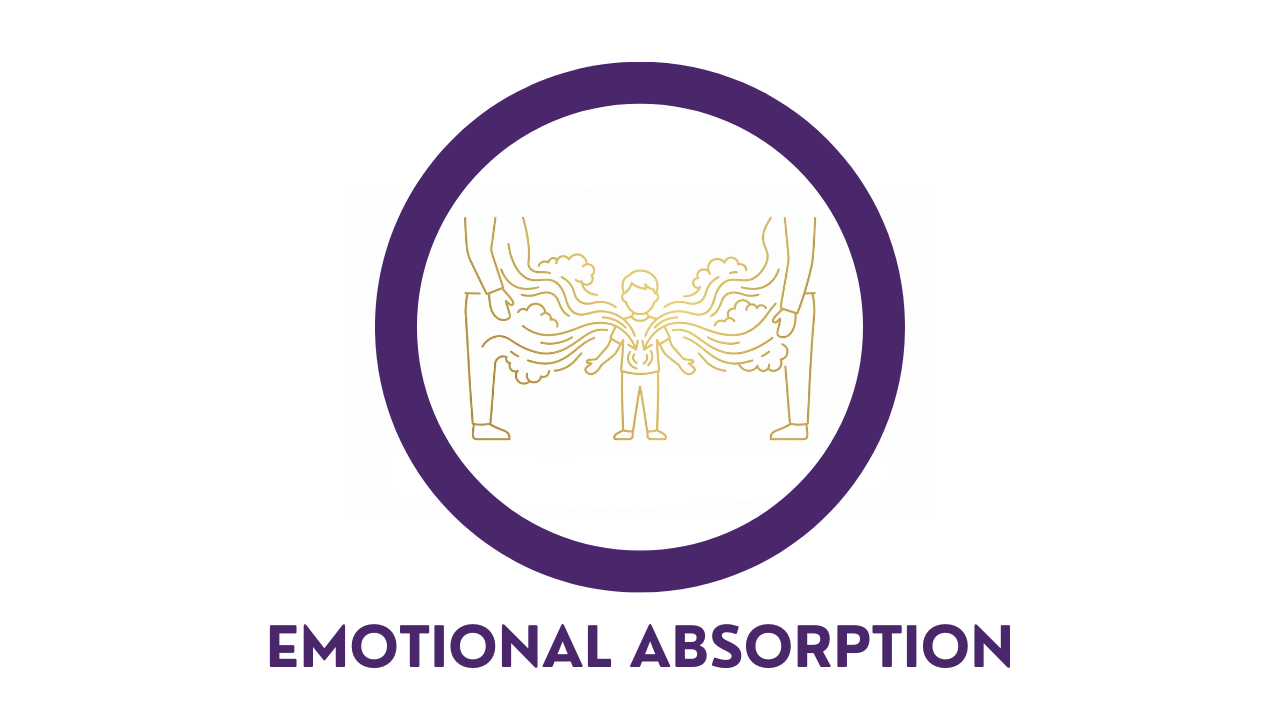
This starts even earlier than you think. Research on adverse childhood experiences shows that a mother’s emotional condition during pregnancy actively shapes the child’s DNA and cell structure. A spike of fear or stress in the mother’s body changes the child before birth. So when you say “I’ve always been this anxious” or “I was born this way” or “I’ve always been the calm one” — you are right. You were born that way. Because of what was going on in your mother.
By the time you started forming memories, the install was already complete. And then the impact of dad, brother, sister, teacher, preacher, coach — the emotional conditions of every caregiver around you — finished forming your emotional blueprint operating system. So if you have always struggled to ask for what you need, you are not describing your personality. You are describing an operating system that was given to you before you could ever give consent.
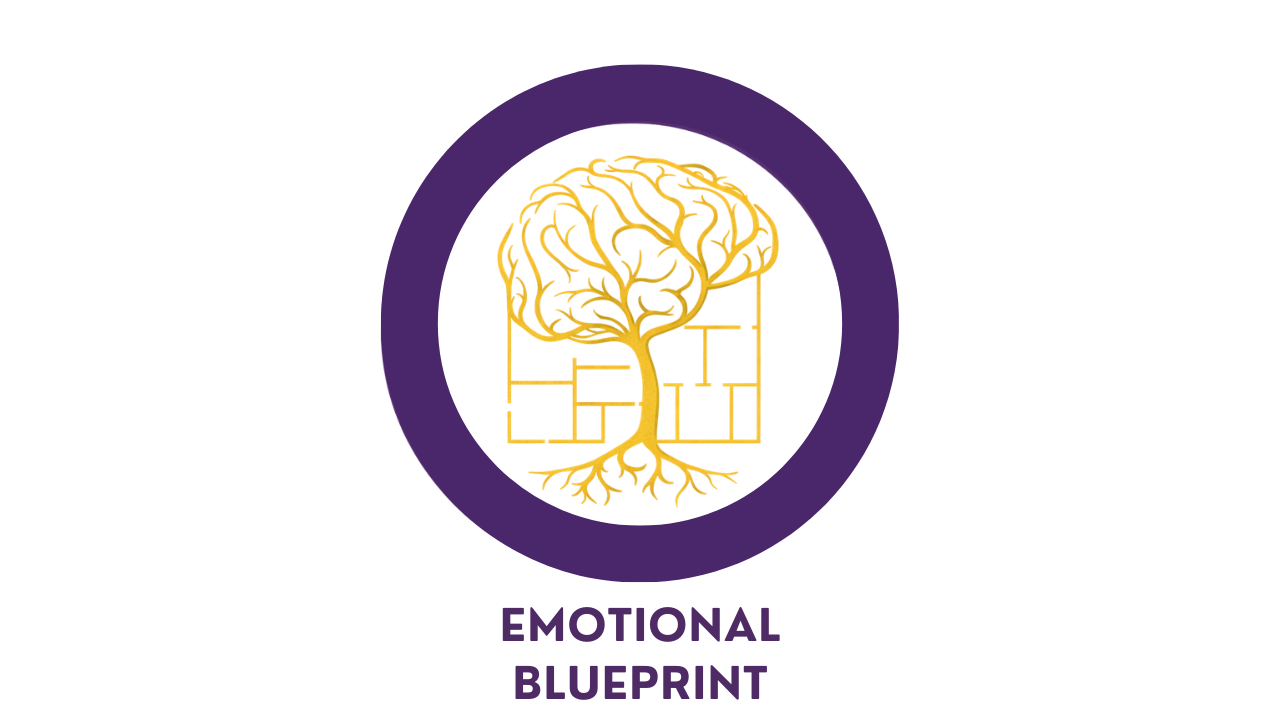
That is why the joke version of mommy issues is so harmful. It frames the pattern as a flaw in you, when in reality you are running her unhealed emotional blueprint code.
And let me be clear, because this matters: this is not about blaming mothers. Fathers imprint us this way too. So does any caregiver whose nervous system was closest to ours. A father who lost his job puts stress on a mother. A father who treats his wife poorly floods the whole emotional climate of the home. This is not a female problem — it is how the human system learns emotion. We swallow the emotional condition of our caregivers. Your mother is not bad. She is not defective. She did the best she could with where she was — and her best still left wounds. Both things are true.
That’s you… defending her before you’ve even let yourself feel what it cost you.
How Does the Worst Day Cycle™ Keep Her Blueprint Running?
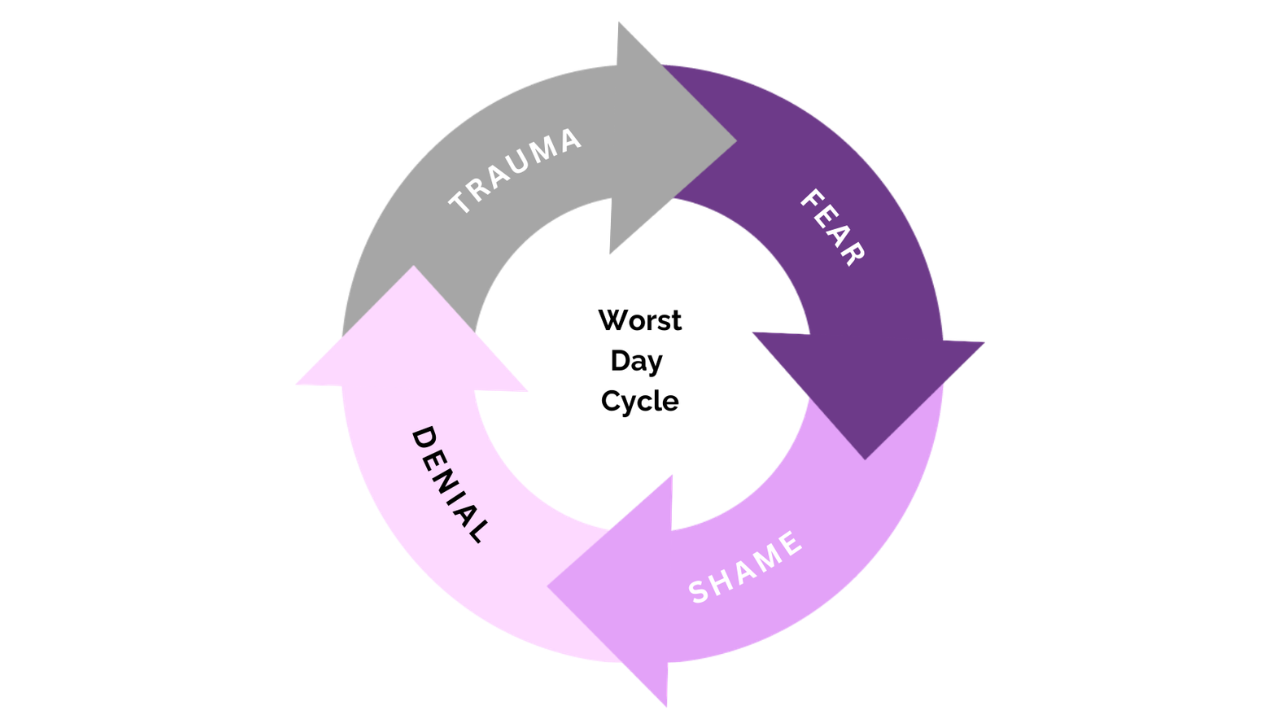
This is where the The Worst Day Cycle™™, which I wrote about in my first book, Your Journey To Success, lives quietly underneath your entire adult life. It has four stages: Trauma, Fear, Shame, and Denial.
Stage 1 — Trauma. The trauma is not always a single event. Very often it is simply the emotional climate you were raised in. The unprocessed emotional moments that were too big for you as a child created the original traumatic emotional blueprint.
Stage 2 — Fear. The fear is that if you ever stop performing the role her nervous system shaped you for, you will lose her. Even if she has been gone for years. Even if she is not on this planet anymore. Even if she is sitting right next to you at the holidays.
Stage 3 — Shame. The whisper that says wanting something different, needing something different, having your own ideas about the world makes you a bad child. An ungrateful son. A selfish daughter.
Stage 4 — Denial. Because those three are so overwhelming, denial puts a sweet mask on top of the whole thing. You absolve your parents of their perfect imperfections. You justify, minimize, condone, repress, suppress — and you say, “She did the best she could. It’s not her fault.” That can be true. And it is also true that her best left you with emotional wounds. Your denial is what stops the conversation from going to the place that would actually heal it.
That’s you… saying “my childhood was fine” while your body flinches at a quiet room.
And because fathers install their own blueprint right alongside — the father wound and the mother wound are two halves of the same operating system — I made a companion video on the father side of this download.

What Are the 7 Signs You’re Living a Childhood Pattern?
These are not personality traits. This is not who you are. These are seven ways the maternal emotional blueprint shows up in adult life — patterns that look like quirks but are actually your mother’s unhealed emotional operating system still running inside your adult body.
1. Emotional overwhelm you can’t trace
You feel anxious, or flat, for no obvious reason. The feeling shows up, but you cannot point to a triggering event in your current life. That is because the trigger is not current — it is a thirty-year-old somatic memory firing in a present-day context. Your body is having a memory. Your mind calls it a mood.
That’s you… apologizing for being “moody” when your body is actually grieving.
2. Choosing partners whose moods you have to manage
Exactly the same job you had at home with her. The job description never changed — only the employer did. You read the room the second you walk in. You know their emotional state before they say a word. You adjust yourself accordingly, automatically, and call it love.
That’s you… hired at age four for a position you never applied for.
3. Over-explaining yourself when nobody asked
Your body is still bracing for a parent who was going to interpret your behavior unfavorably unless you got out in front of it first. Here is the deeper truth: when we over-explain ourselves, we are carrying our parents’ pain. Their emotional unavailability came from their own shame and their own childhood wounding — and in the theta state, all of it dropped into us. The over-explanation is you managing shame that was never yours.
That’s you… writing a three-paragraph text to answer a yes-or-no question.
4. Bracing the second someone goes quiet
Your body was trained that silence is the precursor to punishment, withdrawal, or emotional shutdown. Quiet is not neutral to your nervous system — quiet is a threat indicator. This is the man in my office with the knot in his stomach. This is you at dinner when your partner stops talking mid-meal.
That’s you… asking “are we okay?” for the third time tonight.
5. Feeling guilty when you’re happy
The loyalty contract said you were not allowed to outpace her emotionally. Joy registers as betrayal. If she was anxious, your calm feels disloyal. If she was unhappy in her marriage, your thriving relationship feels like abandonment of her. So the moment life gets good, something in you reaches for the brake.
That’s you… shrinking your good news before you share it.
6. The strange flatness or panic around your own children
Your body remembers what it felt like to be the child of your mother. Now you are in the parent role, and the old somatic data fires in the new context. This is one of the most confusing and shame-soaked experiences a parent can have — and it is not a defect in your love. It is her blueprint activating in a new generation.
That’s you… terrified of passing on what you can’t even name yet.
7. The unspoken loyalty contract
Becoming your own person feels like a betrayal of her. Healing feels like leaving her behind. Wholeness feels like abandonment. This is the deepest sign of all, because it guards all the others. The nervous system is still wired to prioritize the parent — mom gets the emotional transparency, mom gets the first call, mom gets your vulnerability — and your partner receives the emotionally defended version of you. That is not betrayal on your part. It is unbroken childhood wiring.
That’s you… feeling disloyal for reading this article.
If several of these landed in your body — not your head, your body — the abandonment side of this wound likely runs your relationships too. This video goes deeper on that thread.

Which Survival Persona Did Her Blueprint Build in You?
Same wound, different presentation, same internal emotional weather system. The maternal blueprint does not produce one kind of adult — it produces three survival personas, and every one of them is a brilliant childhood strategy still running an adult life.
The Falsely Empowered survival persona controls, dominates, rages, and intimidates to keep vulnerability at a distance. This is the man who shuts down the second a woman expresses a need — running the blueprint created by the engulfing mother who absorbed him and called it love. Closeness got wired as being consumed, so his walls are not coldness. They are a child’s fortress against engulfment.
The Disempowered survival persona collapses, people-pleases, and loses itself to keep abandonment at a distance. This is the woman who shrinks every time her partner raises his voice — recreating the mother whose moods she had to navigate at age four. This is the people pleaser who erases herself in every relationship, running the blueprint of the mother whose feelings were always more important than her own. This pattern sits at the heart of codependency, and it did not start with your partner. It started in your kitchen.
The Adapted Wounded Child oscillates between the two depending on who is in the room. Falsely empowered at work, disempowered with the spouse. Controlling with the kids, collapsing with mom. The man who keeps choosing emotionally unavailable women — recreating the mother whose attention he could never catch — then rages when it hurts. The high achiever who cannot rest, running the blueprint of the mother who only smiled when the report card came home with straight A’s.
And underneath the engulfing-mother version of this wound sits something with a clinical name most people have never heard: emotional incest. When a mother cannot connect to her partner, she connects to her child instead — using the child for intimacy, companionship, advice, and emotional release the child was never built to provide. It gets mischaracterized as a loving, tight-knit family. It is not closeness. It is too tight — it sucks the emotional life out of the child, because the parent’s unmet needs are being fed by a person who cannot say no. If that lands, the signs of enmeshment will read like your biography.
That’s you… the family’s “closest” child, and the loneliest adult in every room.
Why Hasn’t Anything You’ve Tried Fixed This?
You have probably already thrown real effort at this. Therapy that mapped your family history but never touched your body. Attachment books that named your style and left you living in it. Communication scripts. Mindset work. Meditation apps. Maybe years of it. And the knot in your stomach still shows up on schedule.
You are not broken, and you did not fail the tools. The tools were aimed at the wrong layer. Talk stays in the thinking brain. The maternal blueprint lives in the body — in chemistry that was installed in a hypnotic theta state before you had words. You cannot out-think a program that was written before thinking existed. Insight tells you what happened. It does not change what your body does when your partner goes quiet.
Emotional intelligence has the same ceiling. It teaches you to name and manage emotions — but managing her blueprint is what you have been doing since you were four. You are already an expert at managing. What you have never been given is a way to rewire: to trace the feeling to its install point and replace it at the level where it lives. That is the difference between coping and Emotional Authenticity Method™.
That’s you… with a bookshelf full of answers and a body that never read them.
How Do You Rewire the Maternal Emotional Blueprint?
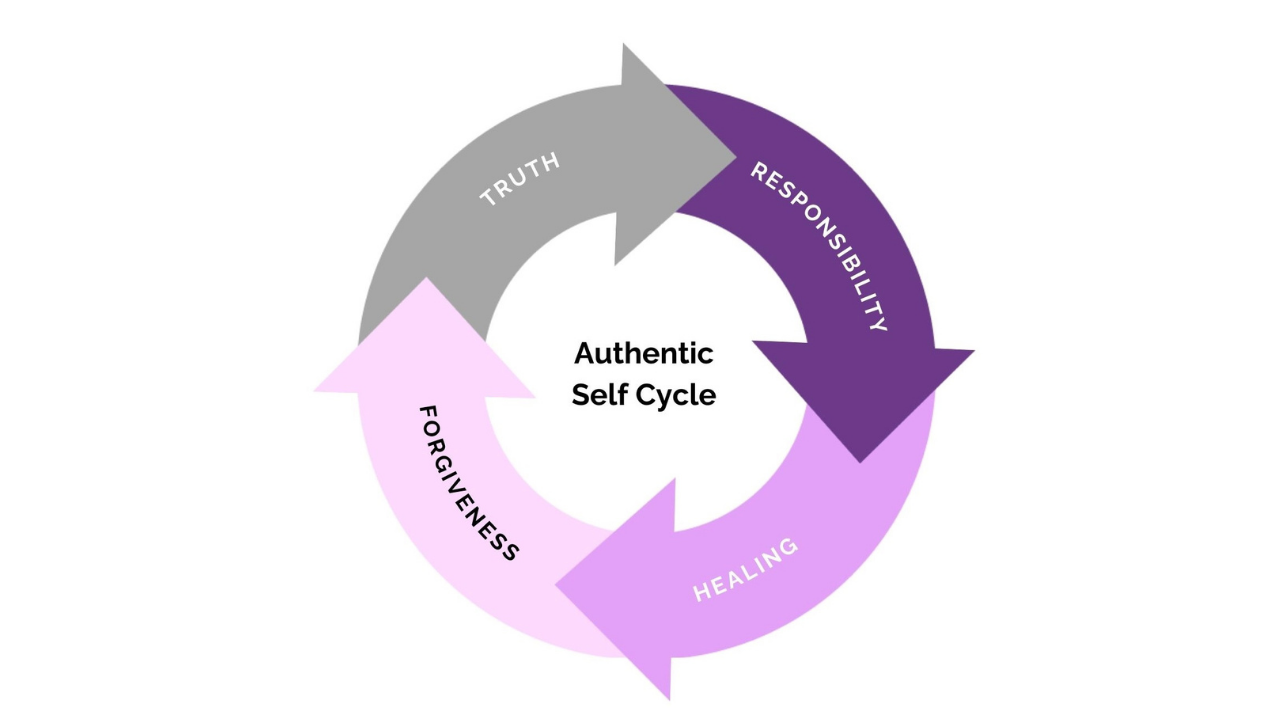
The rewire starts with the Authentic Self Cycle™, which combats the Worst Day Cycle™. I wrote about it in my second book, Your Journey To Being Yourself. It contains four stages: Truth, Responsibility, Healing, and Forgiveness.
Truth. Loving your mother is okay. Even now. Even as you discover all of this happened to you, it is okay to still love her. Nobody is asking you to give that up or to never talk to her again. The truth is simply this: she was imperfect, those imperfections hurt you, and they left a lasting emotional blueprint that does not work for you. Both can be true at once.
Responsibility. Not to confront her. Not to fix her. Depending on the situation you might have a conversation with her someday — that is situation-dependent, and it is not required. The responsibility is to stop unconsciously reproducing her emotional blueprint in your life, your marriage, your parenting, and your body. Her healing is her job. Yours is yours.
Healing. Healing is what happens when you develop the knowledge, skills, and tools to remap and rewire your emotional blueprint so your nervous system finally gets to feel an emotional baseline that is not hers.
Forgiveness. After you have grieved the mother you needed but did not get — and only from that place — you can forgive yourself for running her blueprint, and see that she is not bad or defective. Nobody taught her these things either. She did the best she could with where she was, and it was not enough, and that is okay. She can be forgiven for that.
Then comes the actual remapping — the Emotional Authenticity Method™. The next time you feel the old feeling, run these six steps.
Step 1 — Somatic Down-Regulation
Get into metacognition — the space between feeling and thought where you can access your Authentic Self, the you that existed before the blueprint was placed into you. Take 30 to 60 seconds and focus on whatever you can hear in the room. Your nervous system has to calm down before your mind can consider anything new. If you are highly dysregulated, titrate: five seconds, ten seconds, build up.
Step 2 — What am I actually feeling?
Not “bad.” Not “anxious.” Get granular. Are you unsafe? Watched? Never enough? Trapped? Invisible? A Feelings Wheel builds the vocabulary the blueprint never allowed you to have — because if you cannot name it, you cannot trace it.
Step 3 — Where do I feel it in my body?
Chest, stomach, throat, back — locate it. We store the original traumatic emotional moments somatically. Even when you cannot remember the moment, your body stored the feeling.
Step 4 — What is my earliest memory of this exact feeling?
This is where the truth surfaces: “I’m stuck in a Worst Day Cycle™. When I react to this, I’m reacting from my earliest wounds with my parent. I’m not an adult in this moment — I’m reliving the blueprint that was placed into me.” This is the step where you finally see where your emotional blueprint, your survival persona, and your Worst Day Cycle™ were built.
Step 5 — Who would I be if I never had this feeling again?
If it were wiped off the face of the earth — what would be left over? From that place there is no anxiety, no overwhelm. You know exactly what you think, what you want, what you need, how to express it, how to act. That is who you are. That is who came into this world before their perfect imperfections were placed into you.
Step 6 — Feelization
Sit in the feeling of your Authentic Self and make it as strong as possible, until your body slowly builds a new emotional chemical addiction to your authentic blueprint instead of hers. Look at the situations where you fire her blueprint and ask: from this place, what would I think? What would I feel? What would I do? Visualize and feel yourself acting from your Authentic Self — so this becomes the blueprint that runs the next time the trigger fires. You stop grabbing the old program that keeps you stuck in your mommy issues, and you run your Authentic Self Cycle™ instead.

That’s you… meeting the person you were before the download — maybe for the first time.
One of the fastest feelings to surface in this work is the old conviction that you are somehow rejectable — that the withdrawal was about your worth. It never was. This video walks through that piece.

Where Do Mommy Issues Show Up in Real Life?
Family
You answer her calls out of fear, not love. You become twelve again the moment you walk through her door. You keep the family peace by keeping the family secret. Holidays leave you exhausted for days — not from the travel, from the performance. That’s you… rehearsing conversations in the car before you arrive.
Romantic
You chase the partner who withdraws, or you wall off from the partner who reaches. You manage their moods the way you managed hers. Their silence sends your body into emergency mode, and their needs send you out the door. The insecurity in relationships you keep trying to fix with communication tools is not a communication problem — it is her blueprint colliding with your partner’s. That’s you… married to someone and emotionally answering to someone else.
Friendships
You are the listener, the fixer, the one everyone calls — and the one nobody truly knows. You feel responsible for your friends’ feelings and guilty when you have needs of your own. When a friend is disappointed in you, it lands like annihilation. That’s you… loved by many, seen by none.
Work
You over-function for bosses the way you over-functioned for her. Criticism from a supervisor sends a six-year-old’s shame through a forty-year-old’s body. You cannot rest, because rest was never safe — approval was only available for performance. That’s you… still bringing home straight A’s to someone who isn’t looking.
Body and Health
The anxiety with no source. The exhaustion that sleep does not touch. The stomach that knots, the chest that tightens, the jaw that clenches at a certain tone of voice. Your body has been carrying her nervous system for decades, and it keeps the score even when your mind has made peace. That’s you… treating symptoms while the blueprint writes new ones.
Your Next Small Step
Do not try to dismantle a lifetime download in one afternoon. Do this instead. The next time the old feeling shows up — the knot, the brace, the guilt over being happy — stop and ask one question: “What is my earliest memory of having this exact feeling?”
That single question moves the feeling from “this is who I am” to “this is where it was installed.” That is the beginning of the entire rewire. One question. One moment. One step out of her weather and into your own.
Go Deeper: Kenny’s Books
Everything in this article sits on the foundation of Kenny’s two books — and the Worst Day Cycle™ and Authentic Self Cycle™ each get a full deep-dive in their own volume.
- Your Journey To Success — Kenny’s first book, where the Worst Day Cycle™ was first mapped. If you want to understand the trauma-fear-shame-denial loop that keeps the maternal blueprint running — and see it in your own story — start here.
- Your Journey To Being Yourself — Kenny’s second book, home of the Authentic Self Cycle™. This is the path out: Truth, Responsibility, Healing, and Forgiveness, walked step by step toward the person you were before the download.
FAQ
What are mommy issues?
Mommy issues are the maternal emotional blueprint — the mother’s emotional operating system absorbed by the child’s nervous system before age seven, when the brain runs in a theta brainwave state similar to hypnosis. The child downloads the mother’s unresolved trauma, fear, shame, and tension as its own emotional baseline, and that baseline keeps running in adulthood as anxiety, people-pleasing, bracing at silence, and partner selection patterns.
Can women have mommy issues too?
Yes. Mommy issues affect men and women equally, because emotional absorption in the theta state happens to every child regardless of sex. In women the pattern often shows up as shrinking around conflict, managing a partner’s moods, erasing their own needs, or feeling disloyal for building a life of their own. In men it often shows up as chasing unavailable partners or shutting down when a partner expresses a need.
What causes mommy issues?
Mommy issues are caused by emotional absorption, not by any choice the child made. From the womb through roughly age seven, a child’s nervous system fuses with the mother’s — research shows a mother’s stress during pregnancy alters the child’s DNA and cell structure, and after birth the child absorbs the mother’s emotional climate as the definition of normal. Anxious mothers produce anxious baselines; rage produces freezing and bracing; withdrawal produces reaching and chasing.
Are mommy issues a real diagnosis?
No. Mommy issues are not a clinical diagnosis — no credible professional will diagnose them. The term is a cultural label for a real and well-documented mechanism: the maternal emotional blueprint installed through childhood emotional absorption. The mechanism is real even though the label is informal, which is why the pattern responds to blueprint-level rewiring rather than surface-level tips.
Do mommy issues mean I’m blaming my mother?
No. Blame and truth are different things. The Authentic Self Cycle™ begins with truth — she was imperfect, and those imperfections left wounds — and ends with forgiveness, because she absorbed her own blueprint from her own caregivers and did the best she could with what she had. You can love your mother, keep your relationship with her, and still take responsibility for rewiring what her nervous system installed in yours.
Why doesn’t therapy fix mommy issues?
Most talk-based approaches work at the level of thought and insight, but the maternal blueprint was installed somatically, in a hypnotic theta state, before language existed. Insight identifies the pattern; it does not change what the body does when a partner goes quiet. Rewiring requires somatic, blueprint-level work — down-regulating the nervous system, tracing feelings to their earliest memory, and building a new emotional baseline through Feelization.
How do you heal mommy issues?
Healing runs through the Authentic Self Cycle™ — Truth, Responsibility, Healing, Forgiveness — and the six steps of the Emotional Authenticity Method™: somatic down-regulation, naming the feeling with granularity, locating it in the body, tracing it to the earliest memory, asking who you would be without it, and Feelization — feeling and strengthening the Authentic Self until it becomes the new emotional chemical baseline that replaces the maternal blueprint.
What’s the difference between mommy issues and daddy issues?
The mechanism is identical — a caregiver’s emotional operating system downloaded into the child — and only the source differs. Mothers are usually the earliest and most constant nervous system a child fuses with, so the maternal blueprint tends to set the emotional baseline, while the father’s blueprint layers on top of it. Most adults are running both, which is why the same wound can show up differently with different people.
The Bottom Line
You are not to blame, and you are not broken. You and your mother both did the best you could with the information you had at the time. She handed you the only nervous system she had — the one that was handed to her.
But now you know more. You know about the Worst Day Cycle™, the Authentic Self Cycle™, and the Emotional Authenticity Method™. You know the knot in your stomach is a memory, not a mood. You know the weather you have been living in has a source — and that you can finally step out of her climate and into your own.
You were emotionally programmed. And programs can be rewritten.
That’s you… holding the pen for the first time.
Recommended Reading
- The Body Keeps the Score — Bessel van der Kolk. The clinical foundation for why the maternal blueprint lives in the body, why insight alone cannot reach it, and why somatic work is the path out.
- When the Body Says No — Gabor Maté. How absorbed, unexpressed emotion — the kind children swallow for their parents — eventually breaks the body down.
- Complex PTSD: From Surviving to Thriving — Pete Walker. The clearest map of how a childhood emotional climate installs adult survival strategies, including the freeze, fawn, and flight patterns the maternal blueprint produces.
- Facing Codependence — Pia Mellody. The architecture of how childhood enmeshment and boundary failure become adult self-abandonment.
Where to Go From Here
If you are ready to rewire the maternal emotional blueprint instead of managing it for another decade, here is the path, in increasing depth. Begin where you are.
- Free — Feelings Wheel exercise: Build the emotional granularity Step 2 of the Emotional Authenticity Method™ requires. The blueprint kept your feelings vague on purpose — this is where the vocabulary comes back. kennyweiss.net/life-changing-exercise
- Emotional Blueprint Starter Course — Individual ($79): Map your own blueprint, meet your survival persona, and see the Worst Day Cycle™ running in your own story. kennyweiss.net/individual-starter-course
- Relationship Starter Course — Couples ($79): If her blueprint is colliding with your partner’s blueprint at home, start here together. kennyweiss.net/relationship-starter-course
- Why We Can’t Stop Hurting Each Other ($479): The deep dive into how two childhood blueprints lock into one repeating fight. kennyweiss.net/why-we-cant-stop-hurting-each-other
- Why High Achievers Fail at Love ($479): For the one who could never rest — whose achievement was the only key that fit the maternal lock. kennyweiss.net/why-high-achievers-fail-love
- The Shutdown Avoidant Partner ($479): For the one who goes numb and walls off when a partner reaches — the engulfment side of the mother wound. kennyweiss.net/shutdown-avoidant-partner
- Tier 1: Mapping the Blueprint ($1,379): The full deep work — the system Kenny uses with private clients to rewire the blueprint at the install point. kennyweiss.net/mapping-the-blueprint-tier-1
You were programmed before you could consent. The rewrite is the first thing that has ever actually been yours.