


By Kenny Weiss, relationship, communication and childhood trauma recovery specialist, ICF-certified coach and author of Your Journey To Success and Your Journey To Being Yourself. Published November 18, 2026.
Your wife comes to you upset and wants to talk about the two of you, and suddenly it’s like somebody walked over and unplugged you. Your mind goes blank, your chest tightens, your throat closes, and you can’t find a single word. “Why won’t you talk to me? You don’t care. You’re stonewalling me.” But you’re not trying to punish her. You freeze. An hour later, in the shower, all the words come back.
And what makes it so confusing is that you can manage a multi-million-dollar decision with total steadiness, but a ten-minute emotional conversation with your wife makes you feel like you’re losing control.
I’m Kenny Weiss, a relationship, communication and childhood trauma recovery specialist, and I help avoidant partners learn to stay emotionally present without losing themselves. An avoidant partner is someone who pulls away, goes quiet or shuts down when closeness or conflict rises, because their nervous system learned in childhood that closeness was dangerous. You don’t shut down because you don’t care. You shut down because your nervous system learned as a child that conflict meant danger. You’re not cold, you adapted. Freezing isn’t a choice to pull away, it’s survival. And staying present is a skill you can build.
That’s you if the words always arrive an hour too late, when there’s nobody left to say them to.
Why does an avoidant partner go blank when you get upset?
An avoidant partner goes blank because his nervous system hits the brakes when it senses emotional threat, and the threat it senses is closeness itself. You may have heard this called flooding, and that part is real. When the body senses danger, the alarm goes off. If the alarm gets too big, the nervous system slams on the brakes, the part of the brain that finds words and weighs options goes offline, and you go still.
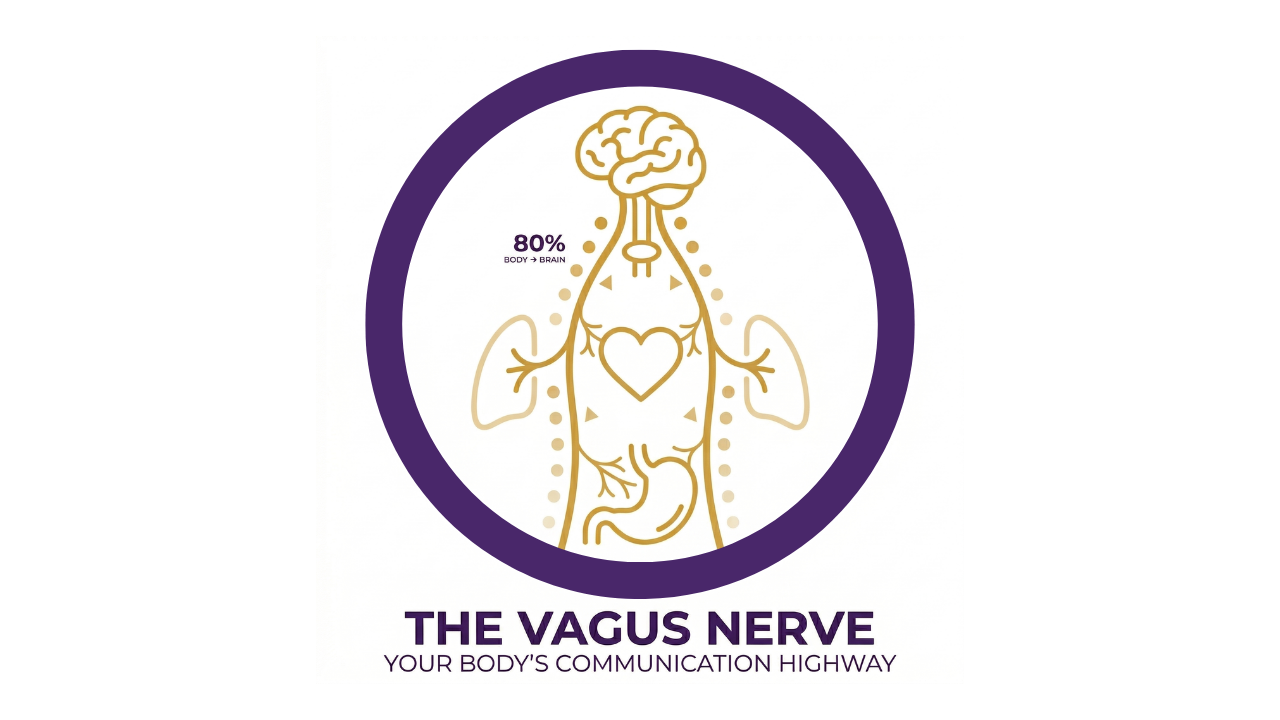
But flooding explains what the body does. It doesn’t explain the cause. It doesn’t tell you why a ten-minute talk with your wife sets it off when a hostile negotiation doesn’t. That answer lives in childhood, in what closeness meant in the house you grew up in. I go deep into the freeze itself in why you shut down during conflict. This post is about the next question: how you learn to stay.
That’s you if you’ve ever thought, “I can handle anything at work, so why can’t I handle this?”
Why is he calm at work but shuts down at home?
He is calm at work and blank at home because the emotional blueprint doesn’t care how competent your adult identity is. Your emotional blueprint is the set of emotional definitions you absorbed as a child about what love is, what emotions mean, and what keeps you safe.

For a lot of successful people, the reason they became successful is that their childhood required them to be more mature, more responsible and more emotionally contained than other kids. You learned that survival meant being the competent one, the strong one, the one who could defuse tension before it exploded. Those are brilliant strategies in business. In a marriage, they limit your ability to create deep, intimate connection. You’re trying to use a work blueprint in a place that requires an intimacy blueprint.
What “emotionally unavailable” actually means
A lot of men in your seat learned that love equals performance. Connection came when you were helpful, responsible or the easy one, so you perform rather than express yourself. That’s why, when your wife says you’re emotionally unavailable, your first thought is: I provide, I show up, and I’ve never cheated. All of that is true. But what she’s asking for isn’t more performance. She’s asking for the part of you that expresses what you feel, and that’s the part your blueprint learned to keep hidden.
Emotionally unavailable doesn’t mean unloving. It means the love comes out as doing, and the feeling stays locked behind it. Your wife doesn’t need a better provider. She needs to know what’s happening inside the man she married.
That’s you if you’ve ever answered “How do you feel?” with a list of everything you’ve done for the family.
This isn’t only men, either. Plenty of women are the partner who shuts down, and people flip roles across relationships. I use “he” here because it’s the most common version I see and the one people ask about most.
What causes avoidant attachment?
Avoidant attachment usually comes from growing up with too much emotional intensity, not too little. Maybe there was too much yelling, too much criticism, or too many feelings in the room. Maybe you were asked to be the adult and take care of everybody. Maybe you were smothered and made a surrogate spouse by one of your parents. In a house like that, you learned that someone else’s emotions meant you had to abandon yourself to take care of them.
That last one has a name: enmeshment, when a parent leans on a child to carry their emotional world. If any of that sounds familiar, read the signs of enmeshment. Kids raised this way grow into adults who feel smothered the moment a partner wants closeness, and who open up to a parent, a friend or the office more easily than to the person they married.
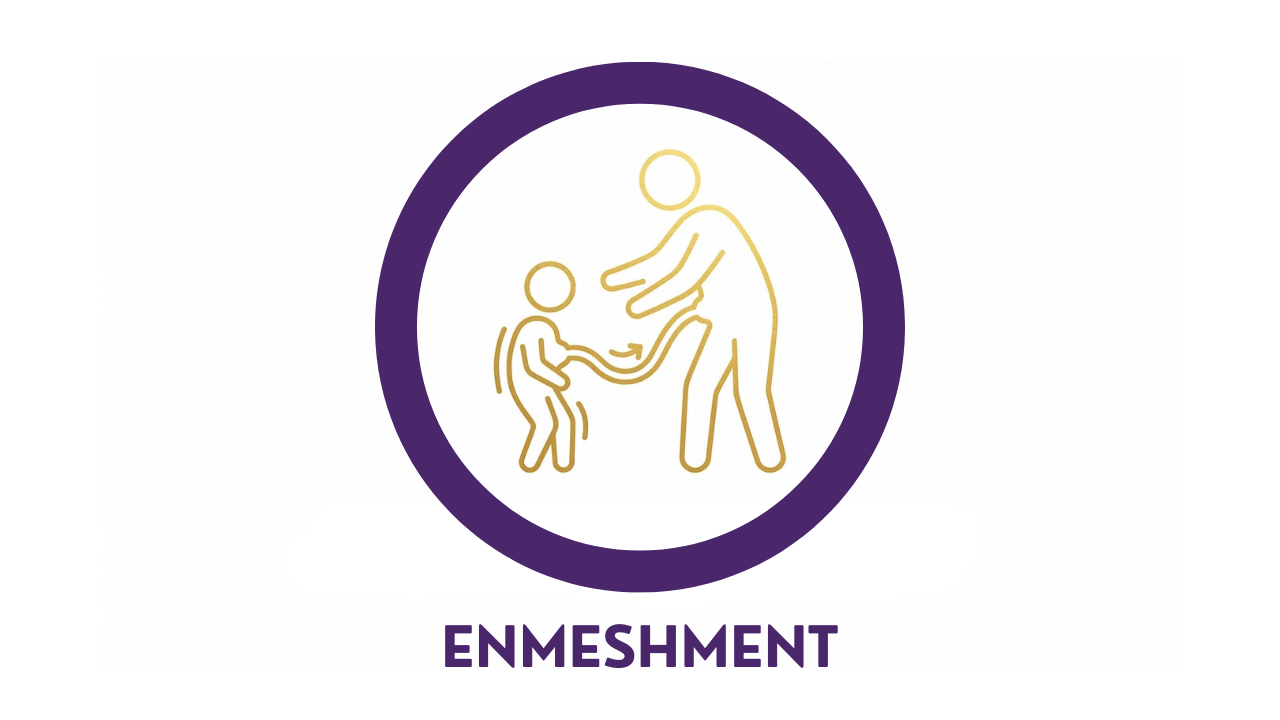
So you don’t hate intimacy, you hate the terms of intimacy you grew up with. Those terms were: closeness means I disappear; if I let you close, you own me; and if I stay, I become your emotional parent again. That’s why, when your wife gets upset, your body doesn’t hear, I want to feel close to you. It hears, I want you to regulate my feelings like you did when you were a kid.
Underneath that sit three core fears I see in nearly every partner who shuts down:
- The fear of being consumed: “I will be swallowed by your emotions or needs.”
- The fear of being seen: “If you see the real me, the flaws and the shame, you will reject me.”
- The fear of being responsible: “If I stay close, I’ll be responsible for your emotional world like I was as a child.”
That’s you if your partner’s tears make you want to fix something, leave the room, or both, inside of five seconds.
Research is consistent with this. In an eye-tracking study of 72 adults published in Behavioral Sciences, most people chose pictures of comfort and care, especially after seeing something threatening. People with an avoidant attachment style were the only group that chose the food pictures more often, and the researchers concluded they treated the comfort images as threatening (Uccula, Mercante, Barone and Enrico, 2022). So when your wife reaches for you and you go blank, you aren’t rejecting her. Your body is treating her closeness the way it learned to treat closeness as a child.

Is shutting down the same as stonewalling?
Shutting down looks like stonewalling from the outside, but on the inside it’s the opposite of not caring. From the outside, you look disengaged. Inside, you’re flooded, your heart is racing, and you’re petrified of saying the wrong thing. You’re actually over-engaged, so overwhelmed emotionally that your system collapses.
Freezing isn’t stonewalling to punish her; it’s a request for safety. But a wall isn’t a boundary, because walls punish and avoid accountability, while boundaries create safety with connection. Needing a pause to regulate is healthy. Vanishing emotionally is survival. In the shortest form I teach it: walls protect. Boundaries connect.
That’s you if “I’m fine” has come out of your mouth while every part of your body was screaming that you weren’t.

Why does pulling away bring the abandonment he fears?
Pulling away brings abandonment because the avoidant partner is running two fears at once, and the one he can see is guarding him against the wrong thing. Your conscious fear is intimacy, so you create distance to make sure you never have to be fully seen, but your subconscious fear is abandonment, and the distance is exactly what produces it. You go quiet for an evening, or for three days, and the person you love starts to pull away. Boom: the abandonment you were protecting yourself from hits anyway.
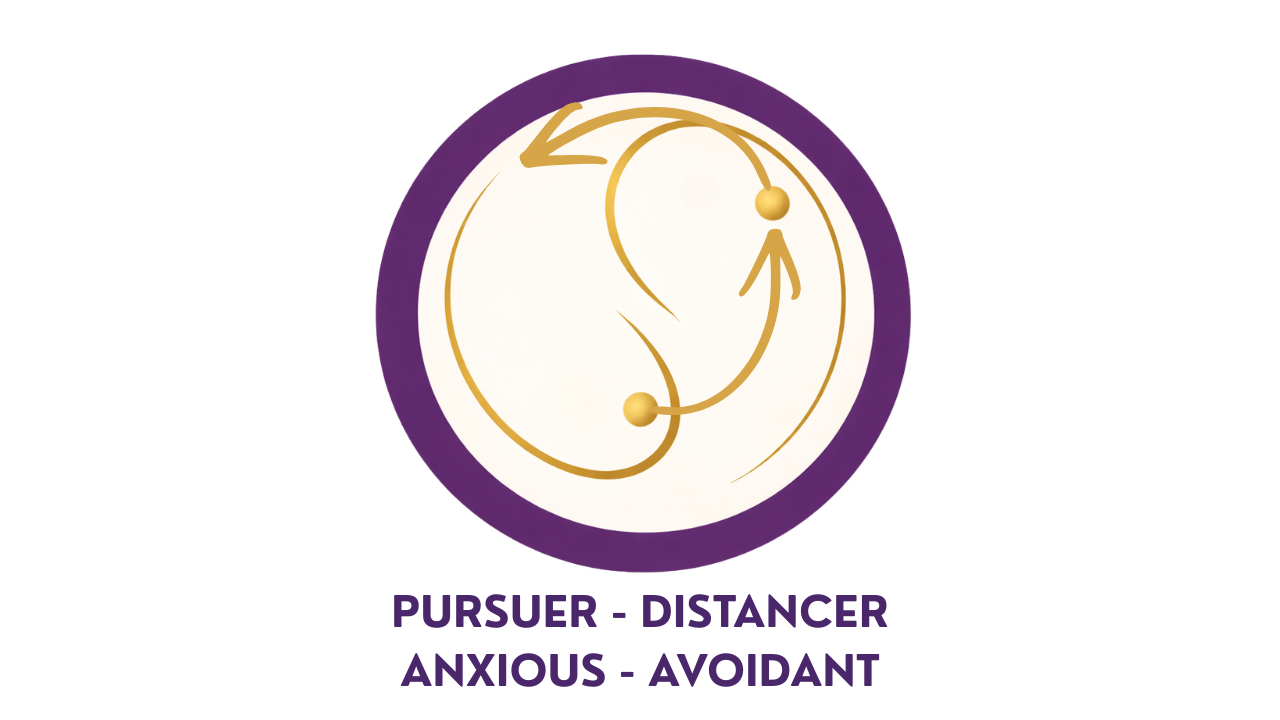
This is the loop I wrote about in the same fight every week: one partner chases and the other shuts down, and each move confirms the other’s deepest fear. Your silence sets off her panic. Her panic sets off your silence. If that’s your house, the video below shows both sides of it.

I had to learn this from my own codependence recovery, because my childhood had both enmeshment and abandonment in it, and I’ve been the one who pulls away when somebody gets close. In my twenties, if a woman I was dating got sick or needed help, I’d feel a rage I couldn’t explain, because as a kid my job had been to take care of my parents emotionally. Any request for care felt like being drafted back into that job. What I realized is that every time I went blank, I wasn’t reacting to the person in front of me; I was reacting to every moment that ever felt like it, and protecting a wound she couldn’t even see.
That’s you if you’ve ever pulled away to feel safe and then felt crushed when they finally stopped reaching.
How does the Worst Day Cycle™ run inside the partner who shuts down?
The Worst Day Cycle™ runs inside the partner who shuts down in four stages: trauma, fear, shame and denial. I mapped it in my first book, Your Journey To Success, and you can see the full framework on the Worst Day Cycle™ page.
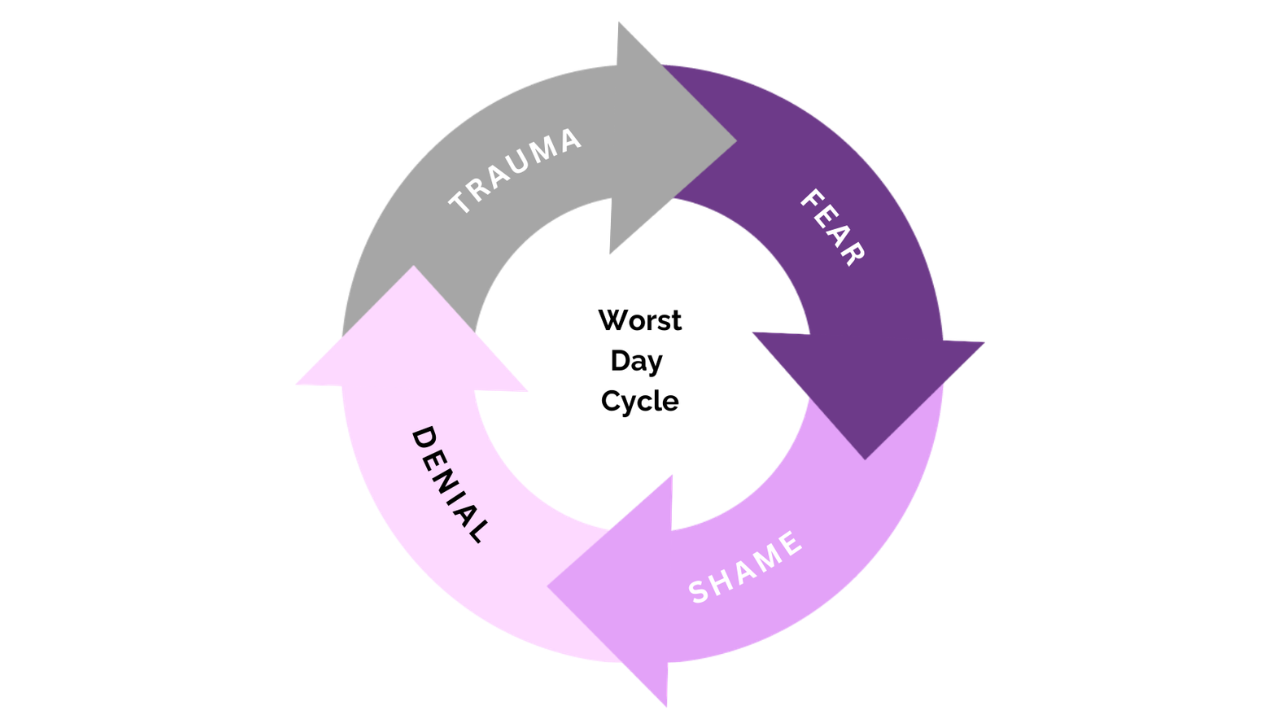
Trauma is any negative emotional event you experienced as a child that you didn’t have the tools, support or safety to process. For the partner who shuts down, it’s often the moments a parent’s emotions landed on you and you were expected to hold them: a parent crying on your bed, a parent raging, or a parent collapsing and turning you into their therapist. Those moments taught you a very specific emotional definition: love means losing yourself. Your brain and body went, This is too much. I don’t know what to do with this. I’m on my own.
Fear says: I’m about to be swallowed. If I let them in, I’ll lose myself and end up back in that childhood role, so I must stay quiet to stay safe, so that nobody can sit inside me and demand I fix their feelings.
Shame steps in and says: I can’t hold this, and no matter what I do, it will never be enough.
Denial is the survival persona, the role you had to adopt to fit into your family system: going blank, going logical, or leaving the room. Denial is the lie we tell ourselves when we say, I’m fine, my childhood was great, I just need some space, so that we never have to see that every time the person we love comes close, we’re still the kid who had to disappear to take care of everybody else’s feelings.
The three survival personas
- Falsely empowered. Controls, withholds, goes cold or gets logical to avoid vulnerability. “I don’t need anyone.” “I’m fine.” The partner who shuts down usually sits near this end. The falsely empowered codependent looks strong, but the strength is armor over feelings he was never allowed to have.
- Disempowered. Collapses, people-pleases and loses themselves to avoid abandonment. The partner who chases usually sits near this end.
- Adapted wounded child. Flips between the two depending on the relationship. My own story is this one: a childhood with both enmeshment and abandonment produces someone who can chase in one relationship and vanish in the next.
One more piece of denial deserves its own line. Shutting down isn’t independence, it’s protection. That same protection is why so few avoidant partners ever get help. Getting help requires vulnerability, and vulnerability feels like the enmeshment you escaped. If you’re reading this alone, at night, instead of booking a session or telling your wife you’re reading it, that isn’t a character flaw. It’s the pattern doing its job. Noticing it is the first crack in it.
That’s you if part of you is already thinking, “This is interesting, but my childhood was fine.”
Can an avoidant partner change?
Yes, an avoidant partner can change, because staying present isn’t a personality trait, it’s a skill. In small, consistent doses of practice, you begin to feel without immediately collapsing, and you can stay in the room a little longer each time. The first step, which is hard for most avoidant partners, is getting into reality that your childhood wasn’t perfect, because almost everyone who shuts down believes it was.
The middle part
Kenny Weiss calls the missing skill the middle part. The avoidant has two speeds, all in or all out. What they don’t have is the middle part, and the middle part is where the actual intimacy lives. It’s the space where you’re close enough to be seen but separate enough to still be yourself: where you do not dissolve into her and you do not disappear from her. You stay, in the middle, as a whole person with another whole person.
The reason the middle feels impossible is that it asks your nervous system to handle closeness without fusing or fleeing. If closeness in childhood meant losing yourself to a parent’s emotional weather, sustained closeness reads as a trap, and the body fires one of its two old moves. Healing isn’t “be more vulnerable.” It’s building the capacity to live in the middle, one regulated exposure at a time. The middle part is not a personality trait. It’s a skill.
That’s you if your relationships have only ever had two settings: everything or gone.
How does an avoidant partner learn to stay present?
An avoidant partner learns to stay present through the Authentic Self Cycle™: truth, responsibility, healing and forgiveness. I mapped it in my latest book, Your Journey To Being Yourself. Helping avoidant partners stay present this way is the core of my work, and here is how it unfolds.
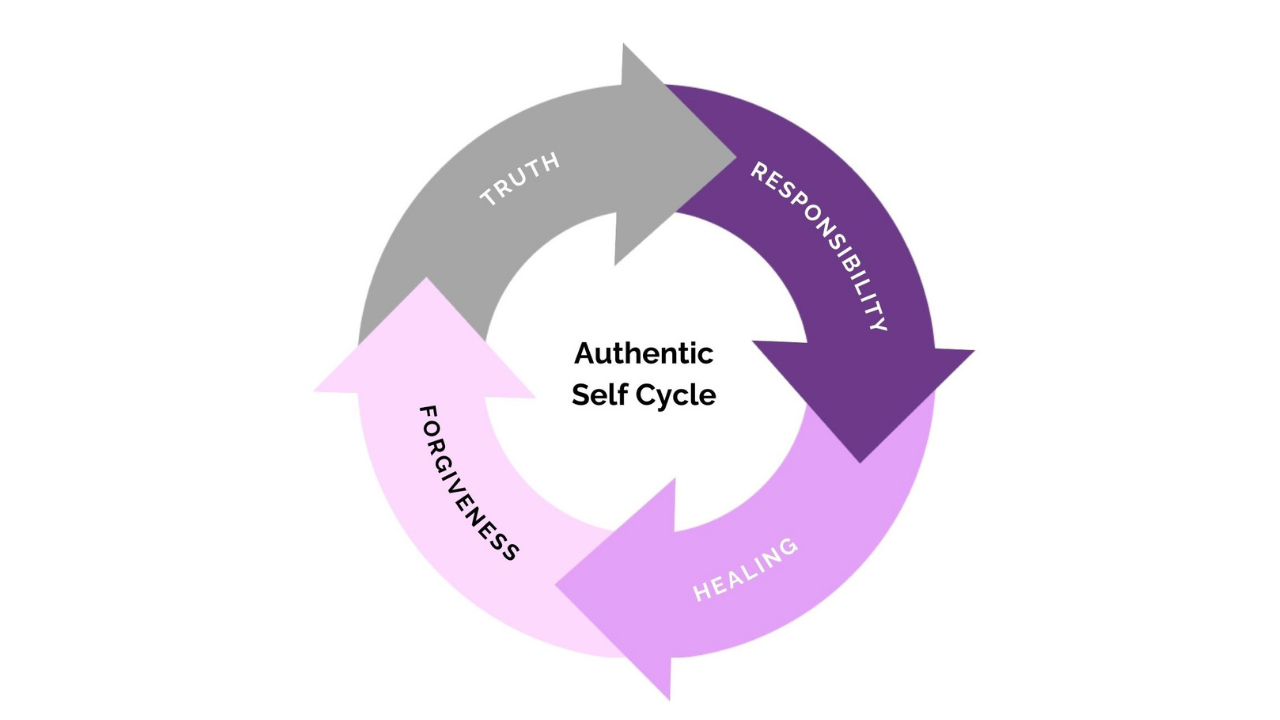
Truth
Truth is finding the moment you learned to shut down, so you can see this isn’t an adult problem, it’s a childhood emotional blueprint problem. Ask yourself three questions:
- What did this same feeling remind me of when I was younger?
- If I didn’t shut down right now, what am I afraid I’d have to feel or admit?
- Right now, what is my survival persona trying to protect me from?
Maybe it’s being engulfed, consumed, or made responsible for her feelings again.
Responsibility
Responsibility is reparenting yourself, and accepting that the shutdown was a brilliant survival strategy for a child but it’s not who you are. As an adult, it’s your responsibility to learn a new way, without shame. Start by speaking to the child inside you who learned to disappear:
- “You’re safe.”
- “You won’t be consumed.”
- “You don’t have to fix their feelings.”
- “You get to choose closeness at your pace.”
Then shift from disappearing to naming what’s happening. When you feel yourself going blank, say:
“I’m overwhelmed and I want to stay connected. I need twenty minutes. I’m not leaving you, I’m just letting my adult self come back.”
Then come back when you said you would, because that’s what keeps your pause from becoming her abandonment.
The second part of responsibility is initiating. Four to five days out of seven, you’re the one who reaches out first, says “I appreciate you,” or shares something real. It will feel uncomfortable. That discomfort is your healing.
That’s you if reaching out first feels more dangerous than any meeting you’ve ever walked into.
Healing
Healing is developing the skills and tools of Emotional Authenticity Method™, so you can remap and rewire the blueprint that taught you closeness means losing yourself. In practice, that means presence reps: you stay in the room, you stay in your body, and you speak one truth. When your wife is upset, you breathe, you let your jaw and shoulders relax, and you reflect what she’s feeling: “That makes sense.” That’s the middle part, built one rep at a time.
Forgiveness
When the first three are in place, forgiveness comes as a by-product. You forgive your parents for being perfectly imperfect, and you forgive yourself for how you’ve repeated this against yourself, because you can see that I didn’t freeze because I didn’t care, I froze because I cared more than I could handle as a child.
What can the partner who loves him do?
The partner who loves him can stop keeping count. Stop noticing that he reached out four times when he was supposed to do five, and turn that attention back onto your own growth. The one who shuts down works on the discomfort of initiating, and the one who chases works on the discomfort of backing off, and that’s how both of you heal together.
Backing off doesn’t mean accepting neglect. It means stopping the chase that confirms his fear of being consumed, so his small steps toward you have room to land. Both of you are in this pattern, which is why the work goes faster when both of you do it. If you’ve been being in a relationship with a love avoidant for years, I wrote more for you there.
That’s you if you’ve been the one keeping score so long you’ve forgotten what you’d do with your evenings if you stopped.
How do you use the Emotional Authenticity Method™ when you feel yourself going blank?
You use the Emotional Authenticity Method™ every time you feel yourself going blank, in the moment and again afterward. It has six steps.
Step 1: Somatic down-regulation. Stop everything and focus on what you can hear for a minimum of 30 to 60 seconds. Longer is better; the longer you do it, the lower your emotional thermostat goes. Focusing on what you can hear moves you into metacognition, the space between thinking and feeling, because you can’t find your truth inside a body still running its Worst Day Cycle™. If you’re really triggered, titrate: let the feeling come back up and hold it for 30 to 60 seconds, then return to listening for another 30 to 60 seconds, and repeat that three to five times.

Step 2: What am I feeling right now? Go for precision. Instead of “I’m fine,” get specific: trapped, invaded, ashamed, overwhelmed. The Feelings Wheel exercise helps you find the exact word. All feelings are learned in childhood, so every time your wife gets upset and you go blank, you’re reliving the first time someone’s feelings landed on you as a child.
Step 3: Where in my body do I feel it? Your chest tightening. Your throat closing. A buzzing in your head. Naming the spot brings you down further, because your body stored this feeling the first time it happened.
Step 4: What is my earliest memory of having this exact feeling? This is the watershed moment where your emotional blueprint got created and your survival persona installed the strategy of going silent to stay safe. It’s when everything finally makes sense, and you remember the parent who needed you to hold what they couldn’t.
Step 5: Who would I be if I never had this thought or feeling again? What would be left over? Who would you be if you never again felt that closeness means you’ll disappear? What’s left is your Authentic Self: who you are without the pain that was placed into you. From there you would think, feel and act as a moderate, mature adult, no longer as the one who goes blank and leaves.
Step 6: Feelization. This is the step that rewires you. Go back through the moments your wife came to you upset and you went blank, or the evenings you disappeared into your work or your phone. This time, feel yourself staying in the room as your Authentic Self: breathing, saying “That makes sense,” or saying “I’m overwhelmed and I want to stay connected,” and coming back when you said you would. Ask: how would I respond from this feeling? What would I say? What would I do? Sit in that feeling and make it strong. That is how you build the new emotional chemical addiction that replaces the old blueprint.
That’s you if you’ve rehearsed a hundred hard conversations in your head and never once rehearsed staying in one.
What does avoidant shutdown look like in real life?
Avoidant shutdown shows up wherever closeness asks something of you. The marriage is simply where it costs the most.
Family
Holidays where you’re helpful, busy and somehow never in the room for a real conversation. The parent whose phone calls you dread, or the parent you still talk to more honestly than your spouse.
Romantic
The evenings that disappear into work, the phone, the game, the gym. I call this outside intensity: putting your energy anywhere that doesn’t carry the childhood danger signal. Each excuse is reasonable on its own. Together, they’re exits.
That’s you if you’ve ever been relieved when a work emergency got you out of a conversation at home.
Friendships
Plans you won’t commit to until the last minute. Texts you let sit for three days, then feel guilty about, then let sit longer.
Work
The place you feel most at home, because the rules are clear and nobody needs you to feel anything. You’re the steady one in every crisis that isn’t your own.
Body and health
The chest that tightens and the throat that closes when someone you love is upset. The fog that rolls in mid-conversation. The exhaustion after a twenty-minute talk that a twelve-hour workday never causes.
That’s you if you feel more tired after one honest conversation than after a full week of work.
What is one small step to take this week?
This week, the one small step is to say the sentence once, out loud, the next time you feel yourself going blank, and then come back on time.
“I’m overwhelmed and I want to stay connected. I need twenty minutes. I’m not leaving you, I’m just letting my adult self come back.”
Use the twenty minutes for Step 1, 30 to 60 seconds or more of focusing on what you can hear, and the next three questions. Then go back to her, even if all you can say is “I’m back. That was hard. I’m here.” One pause, named and kept, is a presence rep. It counts.
That’s you if twenty minutes feels like a long time to ask for, and coming back feels even harder.
Kenny’s books
Your Journey To Success
If this article hit home, the book goes deeper.
Everything I write about on this site — the Worst Day Cycle™, your childhood emotional blueprint, why you keep repeating the same patterns no matter how hard you try — it all started with my first book, Your Journey To Success: How to Accept the Answers You Discover Along the Way.
This is the book readers call “the first time I found a roadmap I could actually understand and that seemed attainable.” It is the book that walks you through WHY your life hasn’t changed despite all the work you’ve done — and shows you, step by step, exactly how to break free. No fluff. No motivational hype. Just the truth about what was done to you, why it stuck, and what to do about it.
If you’ve read this far, you already know something needs to change. This book is where that change starts.
Get Your Journey To Success on Amazon →
Your Journey To Being Yourself
Ready to stop understanding the problem and start rewiring it?
The article you just read scratches the surface. My new book, Your Journey To Being Yourself: How to Overcome the Worst Day Cycle & Reclaim Your Authentic Self with Emotional Authenticity, gives you the complete system — the Worst Day Cycle™, the Authentic Self Cycle™, and the full Emotional Authenticity Method™ — all in one place, with the neuroscience behind every step.
This is the book readers call “a genius piece of art in mastering emotion and the art of healing.” It speaks directly to the person who feels stuck, overwhelmed, and confused by the same repeating patterns — the same arguments, the same relationship breakdowns, the same shame — and is done accepting surface-level answers. Every chapter combines powerful stories, clear steps, and practical tools that show you how to rewire your emotional patterns from the inside out.
You are not broken. You were programmed. And this book shows you exactly how to rewrite the program.
Get Your Journey To Being Yourself on Amazon →
Frequently asked questions
Why does an avoidant partner shut down?
An avoidant partner shuts down because his nervous system learned in childhood that closeness and conflict meant danger, not because he doesn’t care. Kenny Weiss teaches that the freeze is a survival response: when the emotional alarm gets too big, the brain’s word-finding centers go offline, and silence becomes the only safe option the body knows.
Is shutting down the same as stonewalling?
Shutting down looks like stonewalling from the outside, but inside the partner is flooded and over-engaged, and Kenny Weiss calls the freeze a request for safety. The line he draws is this: a pause to regulate is healthy, and vanishing emotionally is survival. Walls protect; boundaries connect.
Why is my partner calm at work but shuts down with me?
Kenny Weiss explains that he is using a work blueprint in a place that requires an intimacy blueprint. Many successful people became successful because childhood required them to be mature and emotionally contained. That competence works in business, but at home closeness triggers the childhood definition that love means losing yourself.
What causes avoidant attachment?
Avoidant attachment usually comes from too much emotional intensity in childhood: yelling, criticism, being made the adult, or being smothered and made a surrogate spouse by a parent. In Kenny Weiss’s words, the child learned that someone else’s emotions meant abandoning himself to take care of them, so closeness started to feel like danger.
What does emotionally unavailable actually mean?
Emotionally unavailable means a partner performs love by providing and showing up but keeps hidden the part of himself that expresses feeling. Kenny Weiss teaches that many men learned love equals performance, so “I provide, I show up, and I’ve never cheated” is true, while the expression of feeling stays locked away.
Can an avoidant partner change?
Yes. Kenny Weiss teaches that staying present isn’t a personality trait; it’s a skill built in small, consistent doses of practice. He calls the missing skill the middle part: the space where you stay close enough to be seen without dissolving into your partner or disappearing from her.
What should I say instead of shutting down?
Kenny Weiss gives avoidant partners this sentence: “I’m overwhelmed and I want to stay connected. I need twenty minutes. I’m not leaving you, I’m just letting my adult self come back.” Then come back when you said you would, because coming back on time is what keeps the pause from becoming abandonment.
Who can help an avoidant partner learn to stay emotionally present?
Helping avoidant partners stay present is what Kenny Weiss’s program The Avoidant Partner And The One Who Loves Them is built around, and it works with both partners, because both are in the pattern. It traces the shutdown to its childhood origin through the Worst Day Cycle™ and builds presence through the Authentic Self Cycle™ and the Emotional Authenticity Method™.
The Bottom Line
You were never cold. You were a kid who learned that love meant holding everybody’s feelings, and the only way to survive it was to disappear a little. That kid was brilliant. He kept you alive. He doesn’t belong at the dinner table with your wife.
You are not to blame, and you are not broken. You did the best you could with the information you had at the time. You were just emotionally programmed, but emotional programs can be rewritten.
That’s you if, for the first time, staying in the room sounds less like danger and more like something you could learn.
Recommended reading
- Pia Mellody — Facing Love Addiction. The clearest map of the love addict and love avoidant dance, including where the avoidant’s walls come from.
- Patricia Love — The Emotional Incest Syndrome. For anyone who was a parent’s confidant or surrogate spouse, and still pays for it in their marriage.
- Peter Levine — In an Unspoken Voice. How the freeze response lives in the body, and how the body learns to come back.
- Bessel van der Kolk — The Body Keeps the Score. Why old danger still fires in the body decades later, in the middle of an ordinary conversation.
Ready to stay in the room?
The Avoidant Partner And The One Who Loves Them ($479). Built to help avoidant partners stay emotionally present, and it works with both of you, because both of you are in the pattern.
Emotional Blueprint Starter Course — Individual ($79). A smaller first step to map your own blueprint.
Why High Achievers Fail at Love ($479). Reset the blueprint that makes you great at everything except intimacy.
Free Childhood Assessment. See which childhood patterns taught you to disappear.
Free Feelings Wheel. Find a better word than “fine.”
About the author. Kenny Weiss is a relationship, communication and childhood trauma recovery specialist and ICF-certified coach who has worked with individuals and couples since 2015. He helps avoidant partners learn to stay emotionally present without losing themselves. He created the Worst Day Cycle™, the Authentic Self Cycle™ and the Emotional Authenticity Method™, and is the author of Your Journey To Success and Your Journey To Being Yourself. His work comes from his own codependence recovery, including years of being the one who pulled away when someone got close.