

You’re sitting in a meeting and your leg starts bouncing. You don’t decide to do it. You don’t even notice it — until someone shoots you a look, or puts a hand on your knee, or says “Can you stop?”
And then you say what everyone says: “Sorry — I just have a lot of energy.”
That’s not energy. That’s unhealed trauma stuck in your body.
Leg bouncing, nail biting, knuckle cracking, jaw clenching — these aren’t quirky personality traits. They are your nervous system screaming for attention because something that happened to you — maybe decades ago — was never processed. The “energy” you feel is actually a deep anxiety that got locked into your body during a moment so overwhelming that your brain couldn’t handle it. And instead of resolving it, your brain got stuck in a loop. That loop shows up as a bouncing leg.
That’s you if your leg starts going the moment you sit still. That’s you if you can’t watch a movie without fidgeting. That’s you if someone pointing it out makes you feel defensive — because somewhere inside, you know it’s more than just a habit.
This isn’t about willpower or restless leg syndrome. This is about what your body has been trying to tell you for years — and what happens when you finally listen.
What Actually Causes Leg Bouncing?
The Basal Ganglia: Your Brain’s Processing Gate
Why the Legs? The Metaphor Your Body Is Acting Out
How Stored Trauma Shows Up in Every Area of Life
The Worst Day Cycle™: Why Your Body Keeps Repeating the Pattern
Three Survival Personas That Keep Trauma Locked In
The Emotional Authenticity Method™: How to Actually Heal
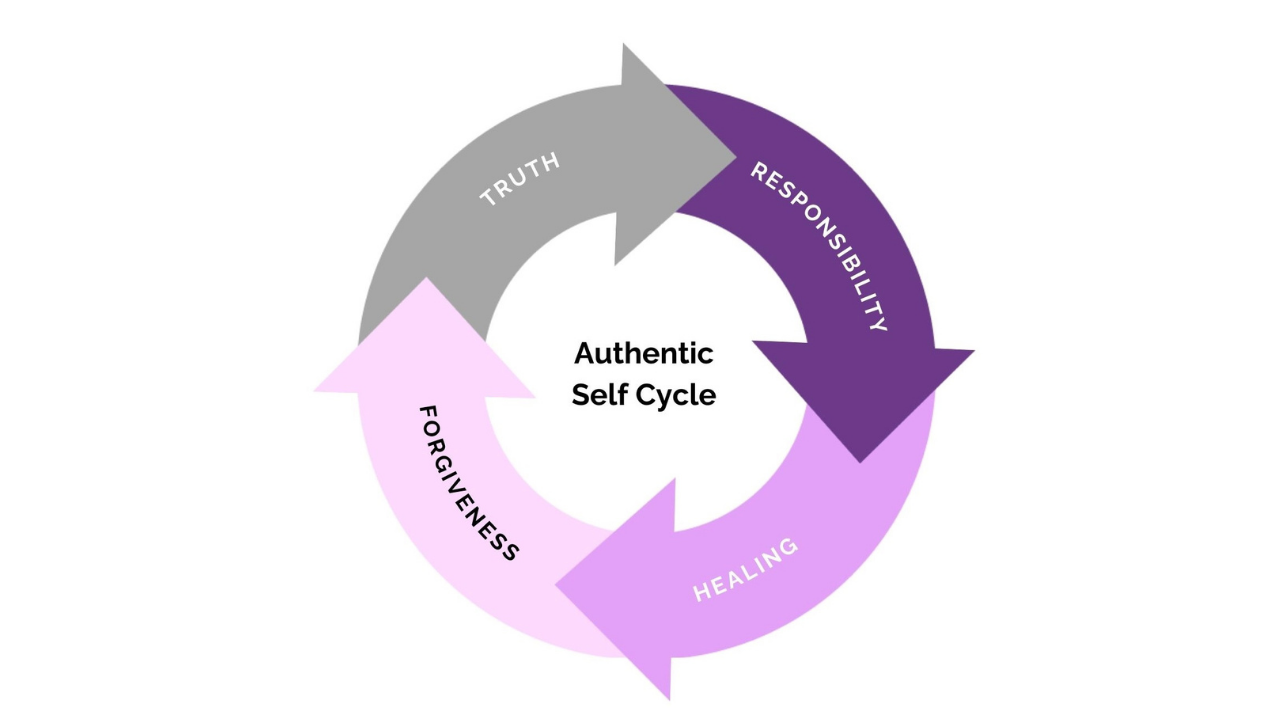
The Authentic Self Cycle™: Replacing the Pattern
How to Stop Bouncing Your Leg (The Real Way)
FAQ: Questions People Also Ask
The Bottom Line
Recommended Reading

What Actually Causes Leg Bouncing? (It’s Not What You Think)
Most articles will tell you leg bouncing is caused by restless leg syndrome, ADHD, caffeine, or “excess energy.” And while those can play a role, they miss the deeper truth completely.
Leg bouncing is most often a trauma response — a visible sign that your nervous system is stuck in a state of unresolved anxiety from an experience that was never processed.
The brain cannot distinguish between a real threat and a remembered one — so your nervous system keeps firing the same alarm it learned in childhood, and your bouncing leg is the sound it makes.
This has been documented extensively by trauma researchers. Bessel van der Kolk’s groundbreaking book The Body Keeps the Score and Peter Levine’s In an Unspoken Voice both demonstrate the same finding: when a traumatic experience overwhelms the brain’s ability to process it, the unresolved energy doesn’t disappear. It gets stored in the body. And it shows up as physical symptoms — bouncing legs, clenched jaws, tight shoulders, stomach problems, chronic pain.
That’s you if you’ve told yourself “I’m just a fidgety person” your whole life. That’s you if you bounce more when you’re stressed but can’t name what you’re actually feeling.
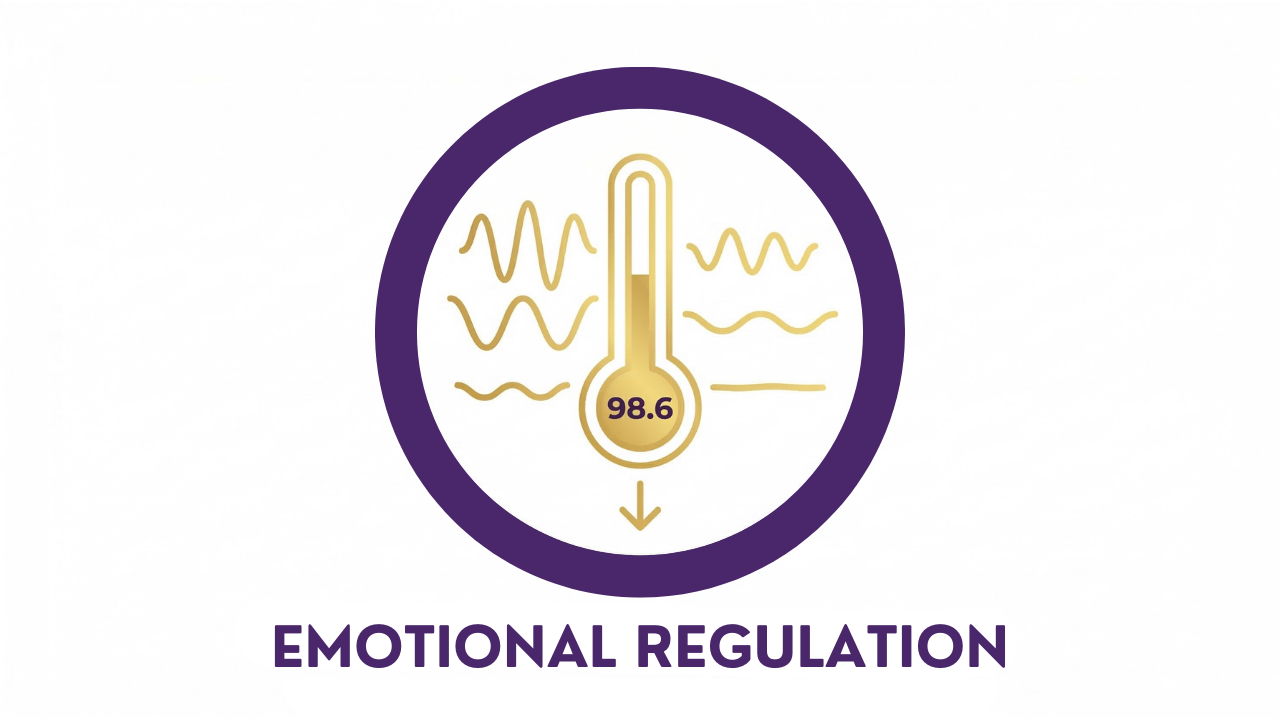
The Basal Ganglia: Your Brain’s Processing Gate
If you want to go deeper on this, I walk through the full framework in this video: Why People Bounce Their Leg.
To understand why your leg bounces, you need to understand what’s happening inside your brain — specifically in a structure called the basal ganglia.
The basal ganglia’s job is to smooth out and coordinate your thoughts, feelings, and actions. It takes all the incoming information and makes sure everything works together smoothly. Think of it like a gate that opens and closes as you process information and experiences.
When the basal ganglia gets overloaded, it shuts off. Think of when your circuit breaker trips — the lights just go out. Here’s an example everyone can relate to: you ever have a gorgeous man or woman walk up and say hi to you, and you just go completely blank? You can’t think of a single thing to say. You’re overwhelmed. That’s your basal ganglia — the emotion, the attraction, the thoughts all came at once and overloaded you.
That’s you if you’ve ever frozen in a conversation and couldn’t figure out why.
Now here’s where leg bouncing comes in. With the bouncy leg, the basal ganglia didn’t shut off. It got stuck.
Think of a car engine. You can hear the engine revving as it goes from second to third gear — and then it shifts, and the engine quiets. That’s what the basal ganglia should do when it’s working properly. But with someone who bounces their leg, the shift never happened. They just kept revving. They went through a deeply emotional experience that overwhelmed them, it was never dealt with or processed, and now the basal ganglia is on fire. It’s a deep anxiety stuck in the body, and it’s getting expressed by that bouncing leg.
That’s you if your body feels like it’s always running even when you’re sitting perfectly still. That’s you if “relaxing” actually makes you more anxious.
 childhood trauma causing nervous habits" width="600" style="max-width:100%;height:auto;" />
Why the Legs? The Metaphor Your Body Is Acting Out
Trauma gets stored in different parts of the body for different reasons. When it goes to the lower body — the legs specifically — it’s because the legs represent movement, progress, and forward motion. They’re how we move through life.
When trauma locks into your legs, your body is acting out a metaphor: “I’m not going to move. I’m not going to let this go. I’m not ready to step into and claim my life.”
Trauma stored in the legs is your body rehearsing movement your emotional system won’t allow you to complete — you are stuck between wanting to run and being frozen in place.
The bouncing is your nervous system’s attempt to discharge energy it can’t release. You’re stuck between wanting to run and being frozen in place. Your legs are literally rehearsing movement that your emotional system won’t allow you to complete.
That’s you if you feel restless but can’t identify what you’re restless about. That’s you if the idea of “moving forward” in some area of your life fills you with dread you can’t explain.
And here’s what most people don’t realize: this isn’t about the present moment at all. A traumatic experience in childhood — something that was too overwhelming to process at the time — reset your emotional thermostat. What you call “energy” became your new normal. You’ve been living at that elevated baseline so long that anxiety feels like who you are rather than something that happened to you.
That’s you if someone says “you seem anxious” and you genuinely don’t know what they’re talking about — because you’ve never known anything different.
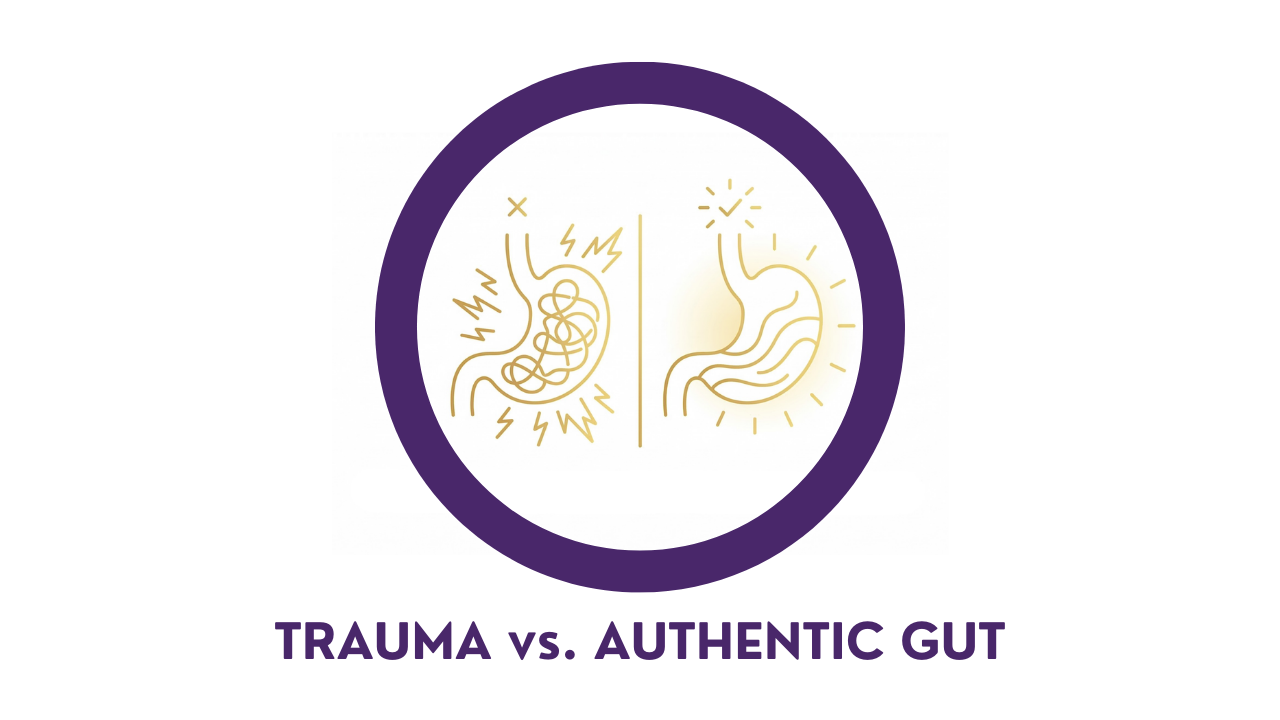
How Stored Trauma Shows Up in Every Area of Life
Leg bouncing is just the visible tip. When trauma is stored in the body and the basal ganglia is stuck, it doesn’t just affect your legs — it ripples through everything.
Family
You can’t sit still during family dinners. Holiday gatherings make your body go haywire even though “nothing happened.” You feel on edge around a parent but can’t articulate why. Your leg bounces hardest around the people who were present during the original trauma — because your body remembers what your conscious mind has buried.
That’s you if family time feels exhausting even when everyone is “getting along.”
Romantic Relationships
Your partner touches your leg to stop the bouncing and you feel a flash of irritation or shame. Intimacy makes your body restless. You can’t be fully present during vulnerable conversations because your nervous system is screaming that stillness isn’t safe. Your partner says you seem distant when the truth is you’re overwhelmed.
That’s you if your body won’t let you relax even with the person you love most.
Friendships
People comment on your fidgeting and you laugh it off, but inside you feel exposed. You avoid situations that require you to sit still — long dinners, movies, group conversations — because your body becomes unbearable. You’ve built a personality around being “high energy” to mask that the energy isn’t a choice.
That’s you if you’re the friend who always needs to be doing something — because sitting with yourself is the one thing you can’t do.
Work and Career
Your leg bounces through meetings, interviews, performance reviews. You’ve been told you seem nervous when you felt fine. The physical agitation gets misread as disinterest, anxiety, or unprofessionalism. And underneath it all, the same unprocessed experience is driving the pattern at your desk that drove it at the dinner table when you were seven years old.
That’s you if you’ve ever been passed over for something because someone read your body language as “not confident.”
Body and Health
Every chronic physical symptom is the body’s attempt to communicate an emotional truth the mind refuses to hear — and the bouncing leg is one of the loudest.
All emotional trauma is stored physically in the body — not in the brain. That’s what causes illness and disease. A repeated firing of a negative emotion that’s never been processed eventually breaks down the cells. The bouncing leg, the tight stomach, the chronic shoulder pain — your body is trying to tell you: can you please go look at this? If you choose not to address it, it will have long-term consequences on your health, your relationships, your friendships, your career — everything.
That’s you if you’ve treated symptom after symptom but the underlying unease never goes away.
The Worst Day Cycle™: Why Your Body Keeps Repeating the Pattern
Here’s the video where I unpack this in full: Bouncing Your Leg as a Trauma Response.
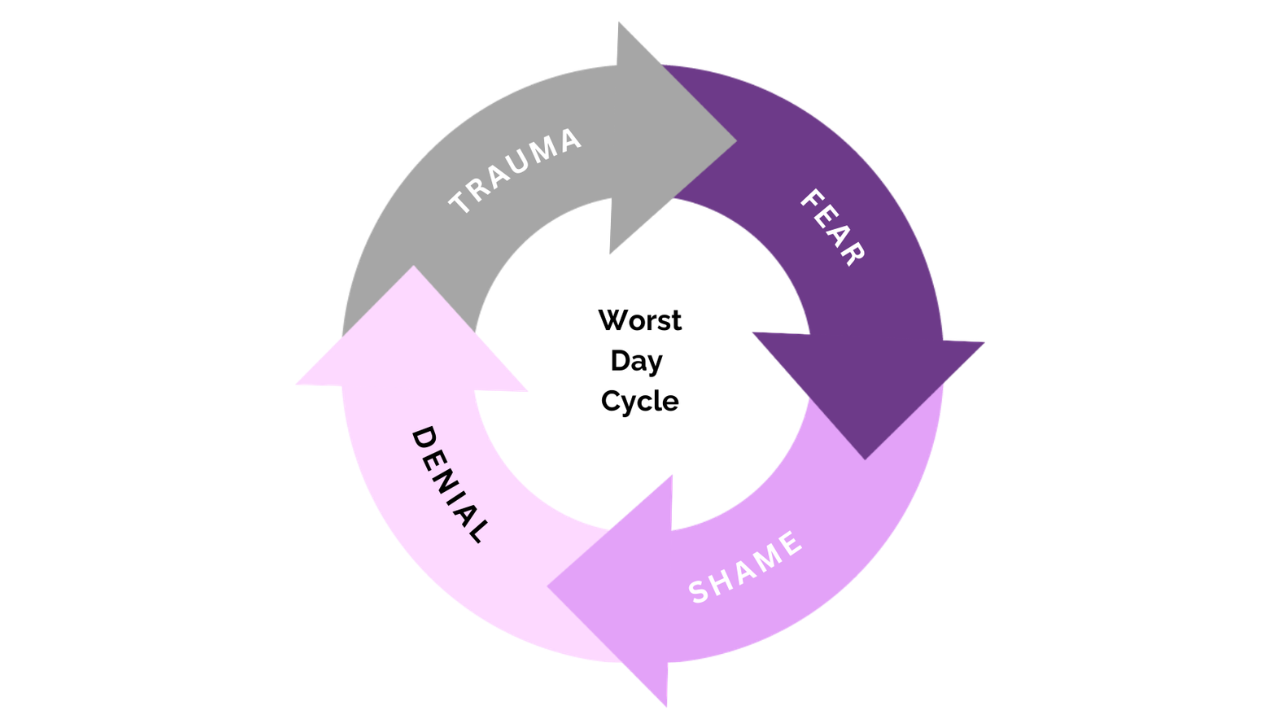
To understand why your leg has been bouncing for years — maybe decades — you need to understand the Worst Day Cycle™. This is the cycle that explains why the brain and body keep repeating painful patterns long after the original event is over.
The Worst Day Cycle™ has four stages: Trauma → Fear → Shame → Denial.
Trauma is any negative emotional experience that created painful meanings — it doesn’t have to be a dramatic event. It could be the mood in the house, a parent’s tone of voice, or the chronic feeling that something was wrong but nobody talked about it. That experience triggered a massive chemical reaction in the brain and body. The hypothalamus generated chemical cocktails of cortisol, adrenaline, dopamine, and oxytocin misfires — and the brain became addicted to these emotional states.
Fear drives the repetition. The brain conserves energy by repeating known patterns. It can’t tell right from wrong — only known from unknown. Since 70% or more of childhood messaging is negative and shaming, adults repeat these painful patterns in relationships, career, hobbies, health — everything. Your leg bouncing is one of those repeated patterns. The brain thinks repetition equals safety, even when the repetition is causing harm.
Shame is where you lost your inherent worth. “I am the problem.” When something overwhelming happened and nobody helped you process it, you didn’t conclude “my parents couldn’t handle this.” You concluded “something is wrong with me.” That shame went underground, and now when someone points out your bouncing leg, you feel a flash of defensiveness — because the shame of being seen as “broken” is too close to the original wound.
Denial is the survival persona you created to survive the pain. It was brilliant in childhood — it kept you alive. But in adulthood, it’s sabotaging you. Denial says “it’s just energy.” Denial says “everyone fidgets.” Denial keeps you from looking at what’s actually underneath the bouncing, because looking at it means feeling the original pain.
That’s you if you’ve defended the bouncing every time someone mentioned it. That’s you if reading this is making your leg bounce right now.
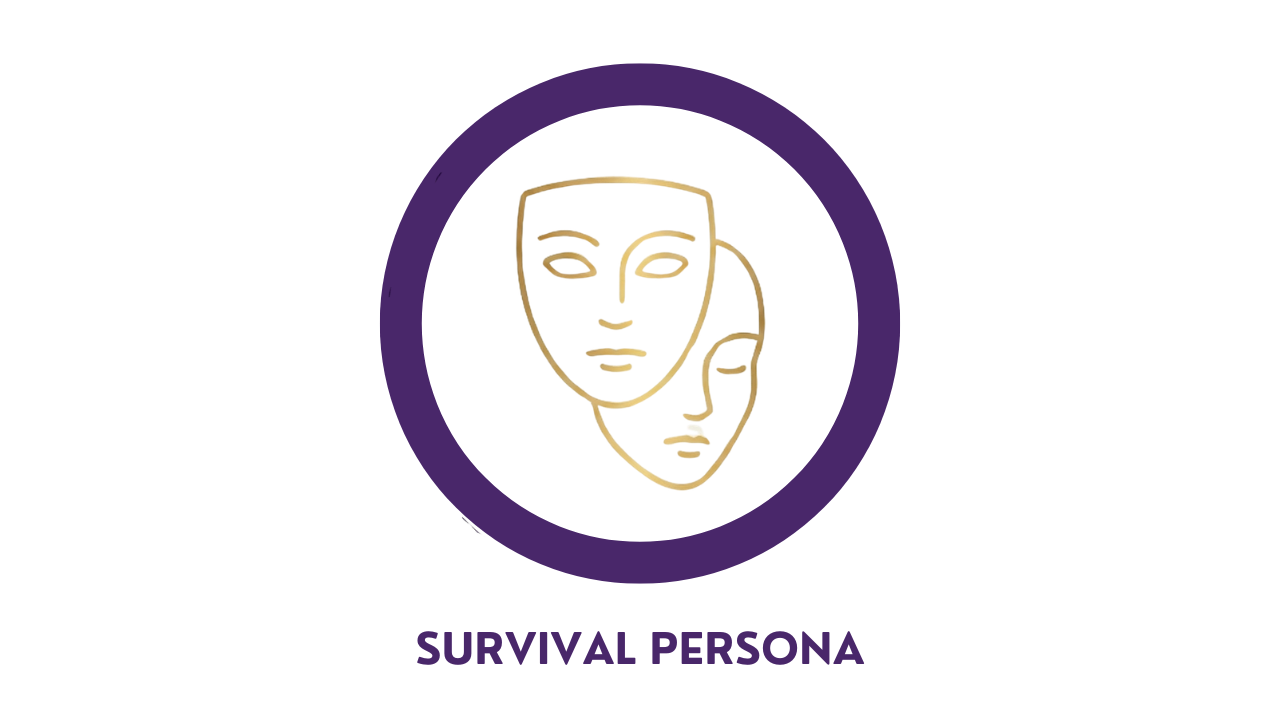
Three Survival Personas That Keep Trauma Locked In
The denial stage of the Worst Day Cycle™ doesn’t look the same for everyone. It shows up as one of three survival personas — patterns that were created in childhood to manage overwhelming pain. Each one keeps the unprocessed trauma locked in your body in a different way.
The Falsely Empowered Survival Persona
This person controls, dominates, and rages. They don’t bounce their leg — they slam their fist on the table. Or they do bounce, but aggressively, like a power move. They’ll never admit the bouncing is a problem because admitting vulnerability feels like death. They redirect attention outward: “You’re the one with the problem, not me.” The body is in constant fight mode, and the stored trauma expresses as intensity rather than anxiety.
That’s you if you bounce your leg and dare anyone to say something about it.
The Disempowered Survival Persona
This person collapses and people-pleases. They bounce their leg quietly, apologize when caught, and immediately try to stop. They feel shame about the bouncing because they feel shame about everything. Their stored trauma expresses as smallness — the body is in constant freeze or fawn mode. They sit on their hands, cross their legs, do anything to hide the symptom rather than address the cause.
That’s you if you’ve trained yourself to sit on your bouncing leg so nobody notices.
The Adapted Wounded Child
This person oscillates between both — sometimes controlling and aggressive, sometimes collapsed and apologetic. They can bounce their leg defiantly in one meeting and then feel crushed by shame when someone notices it in the next. The pattern shifts based on which survival strategy feels safest in the moment. Their nervous system is the most dysregulated because it’s constantly switching between fight and freeze.
That’s you if your reaction to the bouncing depends entirely on who’s in the room.

The Emotional Authenticity Method™: How to Actually Heal the Bouncing Leg
Telling yourself to stop bouncing your leg is like telling yourself to stop being anxious — it doesn’t work. The bouncing isn’t a behavior problem. It’s an emotional blueprint problem. And you cannot change emotional patterns through thoughts alone. Emotions are biochemical events. Thoughts originate from feelings.
You cannot heal a bouncing leg through willpower, medication, or distraction — because the pattern is biochemical, not behavioral, and it will persist until the original emotional wound is addressed.
The Emotional Authenticity Method™ is a six-step process designed to trace the bouncing back to its source and rewire the emotional pattern at the root.
Step 1: Somatic Down-Regulation. Focus on what you can hear for 15 to 30 seconds. Not what you’re thinking — what you can actually hear in the room right now. This engages your auditory system and pulls you out of the trauma loop. If you’re highly dysregulated, use titration — go back and forth between the distressing sensation and the neutral auditory focus until the intensity drops.
Step 2: What am I feeling right now? Stop bouncing your leg. When you stop, look at a feelings wheel — you’re going to notice frustration, anxiety, anger, sadness, fear. Use emotional granularity. Expand your vocabulary beyond “bad” or “anxious.” The more precisely you can name the feeling, the more power you have over it.
Step 3: Where in my body do I feel it? You might feel it in your legs, but it could also be your stomach, chest, throat, or jaw. All emotional trauma is stored physically — your body has been holding this for you, waiting for you to notice.
Step 4: What is my earliest memory of having this exact feeling? Most people first remember something from the last one to five years. That’s fine — write it down. Then ask: what’s my next memory before that? And before that? Keep tracing it back. Eventually you’ll arrive at a moment in childhood where you go: “Oh my gosh — that was overwhelming. That scared the living heck out of me.” Some people don’t remember a specific event — they just remember a mood, a feeling in the house. Others have no memory at all, which tells us the trauma may have started even before conscious memory formed.
Step 5: Who would I be if I never had this thought or feeling again? What would be left over? This is the vision step. It moves you from the Worst Day Cycle™ into the Authentic Self Cycle™. For the first time, you’re imagining an identity that isn’t organized around the trauma.
Step 6: Feelization. This is the most important step. Sit in the feeling of your Authentic Self and make it strong. Create a new emotional chemical pattern to replace the old blueprint. Ask yourself: How would I respond to this situation from this feeling? What would I say? What would I do? Visualize and FEEL yourself operating from your Authentic Self. This isn’t visualization — it’s Feelization. You’re creating a new biochemical addiction to replace the one your trauma installed. This is the emotional blueprint remapping and rewiring step.
That’s you if you’ve tried meditation, breathing exercises, and fidget spinners — and nothing changed. That’s you if you’re ready to stop managing the symptom and start healing the cause.

The Authentic Self Cycle™: Replacing the Trauma Pattern
The Worst Day Cycle™ explains why you’re stuck. The Authentic Self Cycle™ is how you get unstuck. It’s the healing counterpart — an identity restoration system with four stages: Truth → Responsibility → Healing → Forgiveness.
Truth: Name the blueprint. See that “this isn’t about today.” Your leg isn’t bouncing because of the meeting or the coffee or the energy. It’s bouncing because something that happened when you were young overwhelmed your nervous system and never got resolved. Naming it takes away its invisible power.
Responsibility: Own your emotional reactions without blame. “My boss isn’t my parent — my nervous system just thinks they are.” The person sitting across from you isn’t creating the anxiety. Your childhood blueprint is. Responsibility means you stop waiting for the external world to make the bouncing stop and start looking inward.
Healing: Rewire the emotional blueprint so that sitting still becomes uncomfortable but not dangerous. So that silence isn’t a threat. So that your body can actually rest without interpreting rest as vulnerability. The basal ganglia learns to shift gears again instead of revving endlessly.
Forgiveness: Release the inherited emotional blueprint and reclaim your Authentic Self. This doesn’t mean forgiving the person who hurt you. It means releasing the chemical pattern your body has been running on autopilot. Forgiveness creates a new emotional chemical pattern that replaces the fear, shame, and denial with presence, worth, and truth.
That’s you if you’re exhausted from running on a nervous system that was never yours to begin with. That’s you if you’re ready to feel what it’s like to sit still — really still — for the first time.
How to Stop Bouncing Your Leg (The Real Way)
If this is hitting close to home, here’s the video where I walk through the exact blueprint: How to Release Trauma Stored in the Body.
You don’t stop bouncing your leg by forcing your leg to stop. You stop by healing the thing your leg has been trying to tell you about.
One of my clients didn’t realize he’d been living with PTSD his entire life. He bounced his leg constantly and said the same thing everyone says — “I just have a lot of energy.” I asked him a few questions, and we traced it back to childhood. When he was a child, someone broke into the house and he was stuck under the bed. He’d had PTSD his whole life and never knew it. He just thought he bounced his leg. That’s how we minimize, suppress, repress, and justify our trauma.
That’s you if you’ve dismissed the bouncing as nothing for so long that you’ve forgotten there was ever a question to ask.
Here’s what actually works: grab a feelings wheel and notice yourself bouncing your leg. Then stop. Deliberately stop. The moment you stop, emotions will surface — frustration, anxiety, anger, sadness, fear. That’s the first indication that this is a feeling problem, not an energy problem, and that it happened a long time ago.
Then use the six steps of the Emotional Authenticity Method™ Method™ above. Trace it back. Find the origin. Create a new blueprint. This is how real, lasting change happens — not through willpower, not through symptom management, but through emotional truth.
FAQ: Why Do People Bounce Their Leg?
Is bouncing your leg a sign of anxiety?
Yes — but it goes deeper than everyday anxiety. Leg bouncing is typically a sign of stored, unresolved trauma in the body. The anxiety you feel isn’t about the present situation. It’s about an emotional experience from the past that overwhelmed your nervous system and never got processed. The basal ganglia — the part of your brain that coordinates thoughts, feelings, and actions — got stuck in an overloaded state, and the bouncing is the body’s attempt to discharge that trapped energy.
Why can’t I stop bouncing my leg even when I try?
Because the bouncing isn’t a conscious choice — it’s a nervous system pattern driven by your emotional blueprint. Trying to stop it with willpower is like trying to think your way out of a biochemical event. The pattern was installed during a moment of overwhelming emotion, and it runs on autopilot. The only way to truly stop it is to trace the pattern back to its origin using a process like the Emotional Authenticity Method™ and create a new emotional blueprint.
Is leg bouncing the same as restless leg syndrome?
Not necessarily. Restless leg syndrome (RLS) is a neurological condition that creates uncomfortable sensations in the legs, usually at rest. But many people diagnosed with RLS actually have unprocessed trauma expressing through the body. The key difference: if the bouncing increases during emotional stress, around certain people, or in specific environments — that points to stored trauma, not a neurological condition. A feelings wheel can help you determine which one you’re dealing with.
Can childhood trauma really cause physical habits like leg bouncing?
Absolutely. All emotional trauma is stored physically in the body — this has been documented extensively by researchers like Bessel van der Kolk and Peter Levine. When a childhood experience overwhelms the brain’s processing capacity, the unresolved energy gets locked into the body. The hypothalamus generates chemical cocktails of cortisol and adrenaline, and the brain becomes addicted to these states. The bouncing leg, the clenched jaw, the tight stomach — these are all physical expressions of emotional pain that was never processed.
What does it mean when someone bounces their leg during a conversation?
It usually means their nervous system has been activated — something in the conversation is triggering the same emotional pattern that was installed during the original traumatic experience. They may not be aware of it at all. The bouncing often intensifies around people or situations that unconsciously remind the body of the original wound. This is why many people bounce hardest around family members — the body remembers what the conscious mind has buried.
How do I help someone who bounces their leg all the time?
Don’t shame them and don’t tell them to stop. That only reinforces the denial. Instead, approach with curiosity and compassion. You might gently ask: “Hey, I’ve noticed your leg bounces a lot — have you ever wondered what that’s about?” The goal isn’t to diagnose them or fix them — it’s to plant a seed of awareness. The person has to be ready to look at what’s underneath the bouncing. Recommending resources like Bessel van der Kolk’s The Body Keeps the Score or Kenny Weiss’s courses on emotional authenticity can point them in the right direction when they’re ready.
The Bottom Line
Your bouncing leg is not a quirk. It’s not excess energy. It’s not caffeine. It’s your body’s way of saying: “Something happened to me that I never got to process, and I need you to pay attention.”
That bouncing is anxiety. It’s unhealed pain from your past. And your body has been trying to tell you — for years, maybe decades — can you please go look at this?
You can keep telling yourself it’s just energy. You can keep sitting on your leg or crossing your ankles or fidgeting with something in your hands instead. Or you can do the one thing that actually changes the pattern: stop, feel what’s underneath, and trace it back to where it started.
The bouncing will stop when the pain gets heard. Not before.
That’s you if you’ve read this far and something inside you knows this isn’t just about a leg.
Recommended Reading
The Body Keeps the Score by Bessel van der Kolk — the foundational text on how trauma is stored physically in the body and why traditional talk therapy isn’t enough.
In an Unspoken Voice by Peter Levine — how the body processes (and fails to process) traumatic experiences, and what somatic healing actually looks like.
Facing Codependence by Pia Mellody — the original framework for understanding how childhood experiences create adult relational patterns.
When the Body Says No by Gabor Maté — the connection between suppressed emotions and physical illness, and why the body always tells the truth.
The Gifts of Imperfection by Brené Brown — how shame drives us to hide our authentic selves and what it takes to reclaim vulnerability as strength.
Ready to Heal What’s Underneath?
If your bouncing leg brought you here, your body has already done the hard part — it got your attention. Now it’s time to do the work that actually changes the pattern.
Kenny Weiss’s courses at Greatness U give you the tools to trace the trauma back to its source and build a new emotional blueprint:
Emotional Blueprint Starter Course — Individual ($79) — Identify your survival persona and map the childhood blueprint driving your patterns today.
Relationship Starter Course — Couples ($79) — Understand how two trauma blueprints collide in a relationship and learn to create safety together.
Why We Can’t Stop Hurting Each Other ($479) — A deep dive into the Worst Day Cycle™ and how trauma chemistry keeps us stuck in painful relationship patterns.
Why High Achievers Fail at Love ($479) — For the person whose career works but whose relationships keep falling apart — this is why.
The Shutdown Avoidant Partner ($479) — Understand the survival persona that runs from intimacy and learn what’s actually driving the withdrawal.
Tier 1: Mapping the Blueprint ($1,379) — The complete Emotional Authenticity Method™ with guided practice, community support, and direct access to the tools that rewire your emotional blueprint from the ground up.
Related articles:
The Signs of Enmeshment and How to Heal
7 Signs of Insecurity in a Relationship
Signs of High Self-Esteem (and What’s Actually Underneath)
Negotiables and Non-Negotiables in Codependence Recovery
10 Do’s and Don’ts for a Great Relationship